Waymo expands in Texas
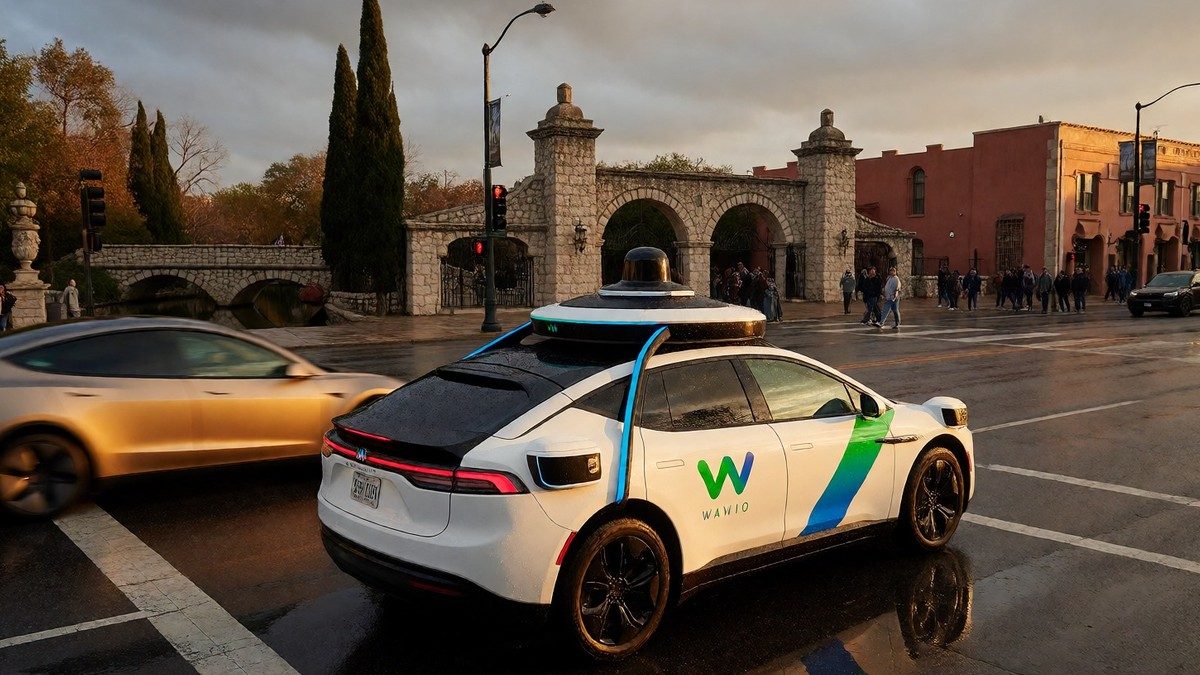
Waymo is clearly driving the autonomous future forward as it opens its San Antonio service to all users this month. This expansion includes the Ojai vehicle, which handles weather conditions that previously caused service pauses. Waymo stopped San Antonio operations earlier this year to improve software that detects floodwaters. This launch brings Waymo’s total commercial markets to 10, including Dallas, Houston, and Orlando. The company expects to surpass one million paid rides per week by the end of the year. You should know that Waymo uses lidar and sensors, while Tesla relies on cameras. The San Antonio service covers areas from King William to Wurzbach Parkway, including downtown, the River Walk, and the San Antonio International Airport. Waymo currently provides over 400,000 weekly trips across Phoenix, the San Francisco Bay Area, Los Angeles, Miami, Atlanta, and Austin. In Los Angeles, where 300,000 people joined a waitlist, riders gave the service 4.7 out of 5 stars. Surveyed LA riders reported that 98% are satisfied with the service. The company aims for more than 20 million fully autonomous trips by the end of 2025, following 15 million paid rides in 2025.
The Austin rivalry and safety probes
Tesla operates 354 robotaxis in Austin, including 178 gold-colored Cybercabs. The Cybercab debuted in Austin on September 3. This deployment places 354 Tesla vehicles against Waymo’s 300 vehicles in the same city. The National Highway Traffic Safety Administration opened an investigation into the Cybercab to check if it meets federal safety regulations. Waymo also faces a probe after its vehicles illegally passed school buses in Austin and Atlanta at least 19 times since the start of the school year. The investigation follows reports that Waymo vehicles maneuvered around the front of buses during student disembarkation. Waymo Chief Safety Officer Mauricio Pena testified that its autonomous vehicles experienced 12 times fewer pedestrian injury crashes than human drivers. Tesla’s reliance on cameras makes its system vulnerable to rain and fog. Can Tesla bridge the gap between its camera-based AI and Waymo’s sensor-heavy hardware? Tesla investors note the company’s ability to scale products, but the Cybercab lacks a steering wheel or pedals. The Senate Commerce, Science & Transportation Committee, chaired by Senator Ted Cruz, held a hearing where executives from Tesla and Waymo debated national safety standards amid competition with China.
Scaling the autonomous fleet
Waymo raised $16 billion to scale its fleet and expand into international markets like London and Tokyo. This financial infusion puts the company’s value at $126 billion. The company reported 200 million fully autonomous miles. Waymo reported that its autonomous driving system achieved a ten-fold reduction in serious injury or worse crashes and a 12-fold reduction in pedestrian injury crashes compared to human drivers across 127 million miles of driving. However, the company issued a software recall in November to address vehicles failing to stop for school buses. Waymo vehicles also experienced five times fewer airbag-deployment and overall injury crashes than human drivers. The company’s fleet includes 4,000 vehicles with fifth- and sixth-generation technology. This expansion occurs while Mobileye holds an estimated 70% of the advanced driver assistance system market. Competitors like Amazon-owned Zoox prepare for pilot launches in Austin and Miami, and Waabi secured $1 billion to deploy 25,000 robotaxis.
| Metric | Waymo Data | Tesla (Austin) |
|---|---|---|
| Total Robotaxis | 4,000 | 354 |
| Cybercab Count | 0 | 178 |
| Weekly Trips | 400,000+ | N/A |
| Autonomous Miles | 200 million | N/A |