Scale AI secures Thunderforge contract
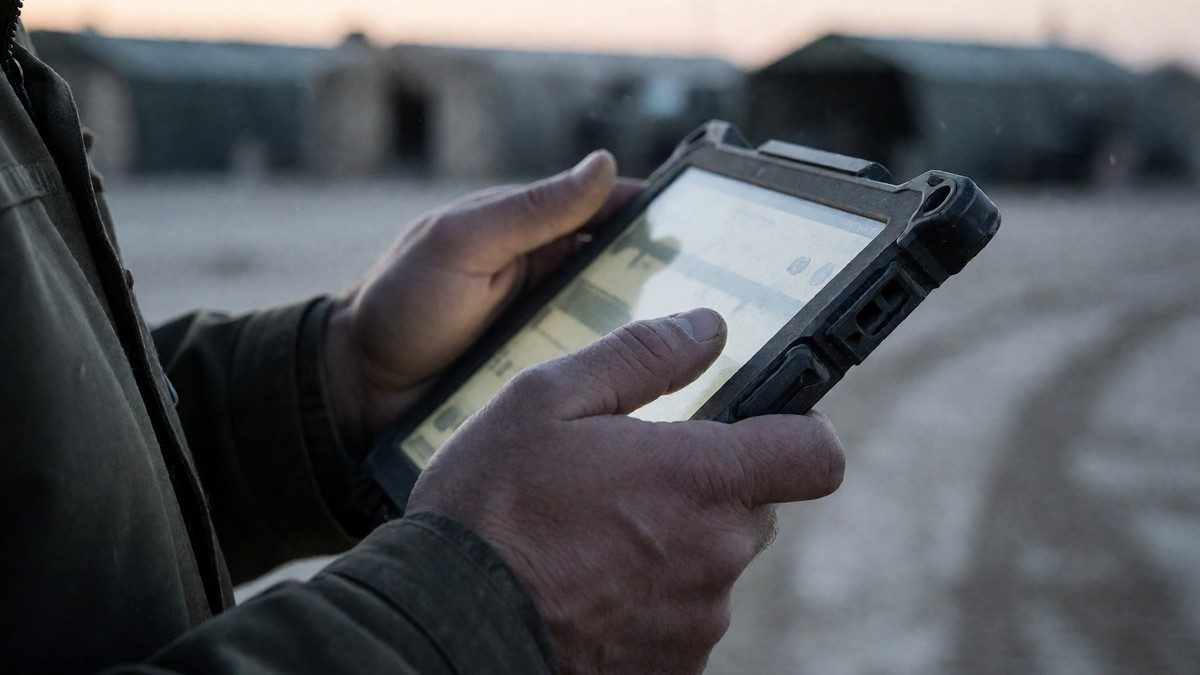
The Defense Innovation Unit names the Thunderforge project the flagship AI initiative for the Department of Defense. Scale AI holds a multimillion-dollar contract to develop AI tools for this program to improve decision-making, simulation, and operational planning. Scale AI also partners with the Chief Digital and Artificial Intelligence Office to create a Test and Evaluation framework for large language models. This framework includes customized benchmark tests for military use cases and provides real-time feedback to warfighters. Scale AI develops specialized evaluation sets that assess model performance using DoD terminology and knowledge bases. Alexandr Wang, the founder and CEO of Scale AI, states that testing generative AI helps the DoD understand technology strengths and limitations. Scale AI’s research teams also develop specialized tools like READY, a suite of industry-specific benchmarks, and OSWorld 2.0, which uses verifiers to measure agentic capabilities. The company also produces the Humanity’s Sixth Sense benchmark for intuitive visual reasoning using 522 tasks across 288 images and 234 video clips. Scale AI’s research also covers DistressBench, which uses 718 clinician-authored conversations to measure how models handle suicide and self-harm topics. Scale AI researchers also work with AgentEnv to build realistic reinforcement learning environments for training agents. I find this technical integration with the CDAO the best part of Scale AI’s current defense posture.
Workforce classification challenges
Scale AI operates out of San Francisco and holds a $13.8 billion valuation. The company faces intense scrutiny from federal regulators regarding its data labeling workforce. The U.S. Department of Labor investigates Scale AI for potential Fair Labor Standards Act violations. The investigation began in August 2024 and focuses on unpaid wages and the misclassification of employees and contractors. The lawsuit, which the Clarkson Law Firm filed in California, involves between 10,000 and 20,000 workers who claim they were misclassified as independent contractors instead of receiving full-time employee benefits like sick leave and overtime pay. These workers allege they lacked protections like sick leave and overtime pay. Lead plaintiff Steve McKinney claims he received only $17 per hour despite being promised $25 per hour. You should watch how these legal challenges reshape the economics of AI training. Scale AI spokesperson Joe Osborne stated that regulators misunderstand the nature of the company’s work. Scale AI maintains its compliance with the law and describes its work as providing flexible opportunities. The company also faced scrutiny in 2023 when the Washington Post investigated low wages for its overseas employees.
| Metric | Detail |
|---|---|
| Scale AI Valuation | $13.8 billion |
| Lawsuit Participant Count | 10,000 to 20,000 |
| Reported Hourly Wage | $17 to $25 |
Pentagon procurement shifts
The Department of War finalized agreements with seven companies including SpaceX, OpenAI, Google, Nvidia, Reflection AI, Microsoft, and Amazon Web Services to deploy AI tools within classified military environments for highly sensitive, secret, and top-secret operations. This expansion follows the decision to designate Anthropic as a supply-chain risk after a dispute over the use of Claude models in combat. Anthropic models previously supported operations during the Iran war and the effort to apprehend Nicolas Maduro. The Pentagon seeks to avoid vendor lock by diversifying its supplier base. Military officials want to provide servicemembers with alternative models following the refusal of Anthropic to accept certain contract terms. Secretary of War Pete Hegseth called Anthropic Chief Executive Dario Amodei an "ideological lunatic" during congressional testimony. The Department of Defense also made deals with companies like OpenAI and xAI for up to $200 million each. These partnerships intend to develop agentic AI workflows for various mission areas. The Department of War aims to use these tools for planning, logistics, and targeting. The Pentagon also works with Nvidia’s Nemotron open-source models, which enable AI agents to autonomously execute tasks. The Department also works with Reflection AI, a startup seeking funding at a $25 billion valuation. Does the rapid replacement of established AI models with newer startups create new security vulnerabilities?