Two ways to replicate your voice
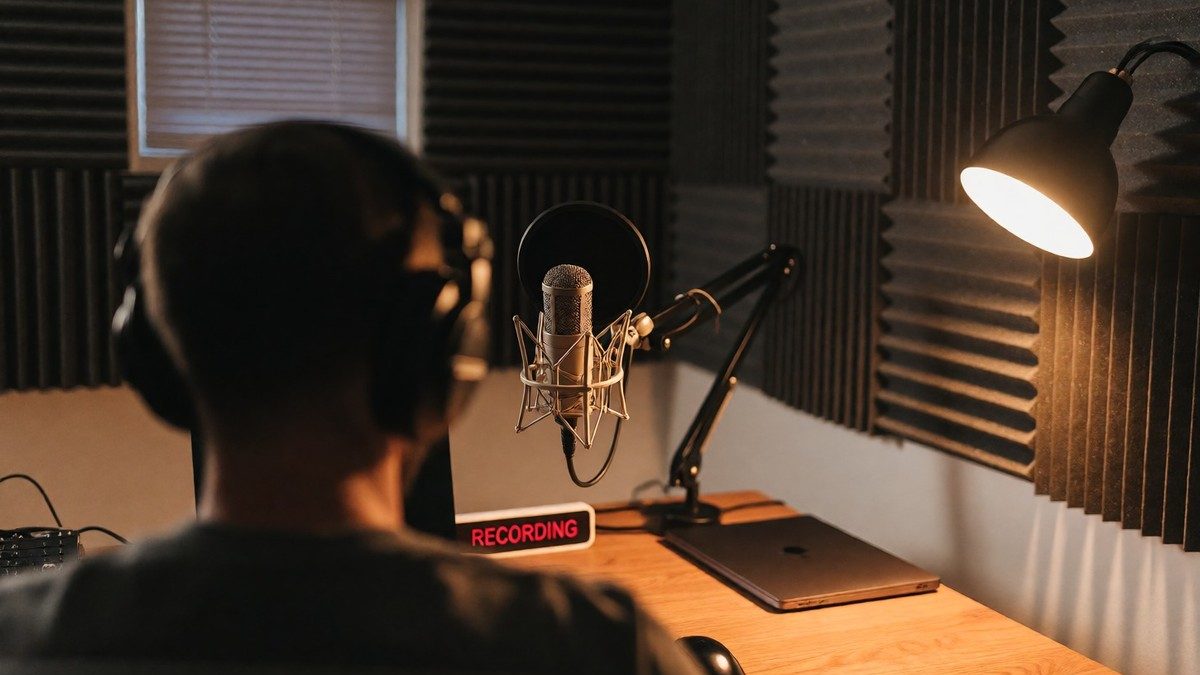
ElevenLabs provides two ways to create a synthetic version of a voice. Instant Voice Cloning requires a short sample, whereas Professional Voice Cloning uses a larger dataset to train a more accurate model. For Instant Cloning, ElevenLabs recommends one to two minutes of clean, consistent speech, though as little as ten seconds can be used. Providing two to three hours of data improves results for Professional Voice Cloning, which requires a minimum of 30 minutes of audio. This process includes a mandatory voice verification step and a training wait that lasts between three and six hours. Producers should record in a quiet, echo-free room with a stable microphone to ensure the model captures natural rhythm, tone, and pitch. High-quality data preparation is essential for accurate results. Users must remove background noise, normalize volume levels, and divide recordings into 30-second segments that maintain sentence boundaries. This helps the model capture nuances like emotional expression. The system studies voice traits like tone, emotion, and rhythm to build the profile. This profile helps generate new speech that sounds like the original speaker. To achieve professional results, producers should also use a pop filter to avoid audio artifacts and add slight emotional variation to teach the model pacing and breathing.
Managing monthly credits and licenses
Users pay for services using a shared pool of credits that covers text to speech, music, and sound effects. The cost of text to speech depends on the specific model chosen. Because the system counts one credit for every character, a 1,500 word script containing about 9,000 characters will use roughly 9,000 credits on most standard models available on the platform. Podcasters requiring a commercial license must select the Starter plan or higher because the Free plan lacks these rights. The Starter plan costs $6 a month and provides 30,000 credits, while the Creator plan costs $22 a month and provides 121,000 credits for regular creators. The Creator plan also includes Professional Voice Cloning and allows for the purchase of extra credits when users run out. Higher tiers like Pro, Scale, and Business provide even more credits and professional voice clones for teams. Producers can take advantage of yearly billing to receive two months of credit for free. If users run out of credits, they can purchase top-ups that the system tracks separately from the monthly plan. Unused credits roll over for up to two months on active paid plans, but users lose them if they cancel their subscription. Since you likely already know that the Free plan lacks commercial rights, you must move to the Starter plan to publish monetized content.
| Plan | Monthly Price | Credits | Approx Minutes |
|---|---|---|---|
| Free | $0 | 10,000 | 10 |
| Starter | $6 | 30,000 | 30 |
| Creator | $22 | 121,000 | 121 |
| Pro | $99 | 600,000 | 600 |
Producing audio with ElevenLabs v4
ElevenLabs released the v4 model on September 28, 2026, to improve voice identity when regenerating lines. This update helps keep the voice consistent when creating a pickup for a long passage. However, the Style and Speed sliders are unavailable when using v4. This technology turns written scripts into audio in 32 plus languages to reach a global audience. The platform supports 74 languages across various models. Most producers use the tool to convert existing video or text content into podcast episodes. Producers can assign different voices to different speakers in a script to create multi-speaker podcasts. Because the system charges per generation, producers should check pronunciation and pacing before publishing final audio. Producers can also use the ElevenLabs API to automate speech generation for applications such as chatbots, storytelling platforms, or accessibility tools with low latency. This is useful for real-time or large-scale audio generation. How will the model handle very complex technical terminology in the next script?