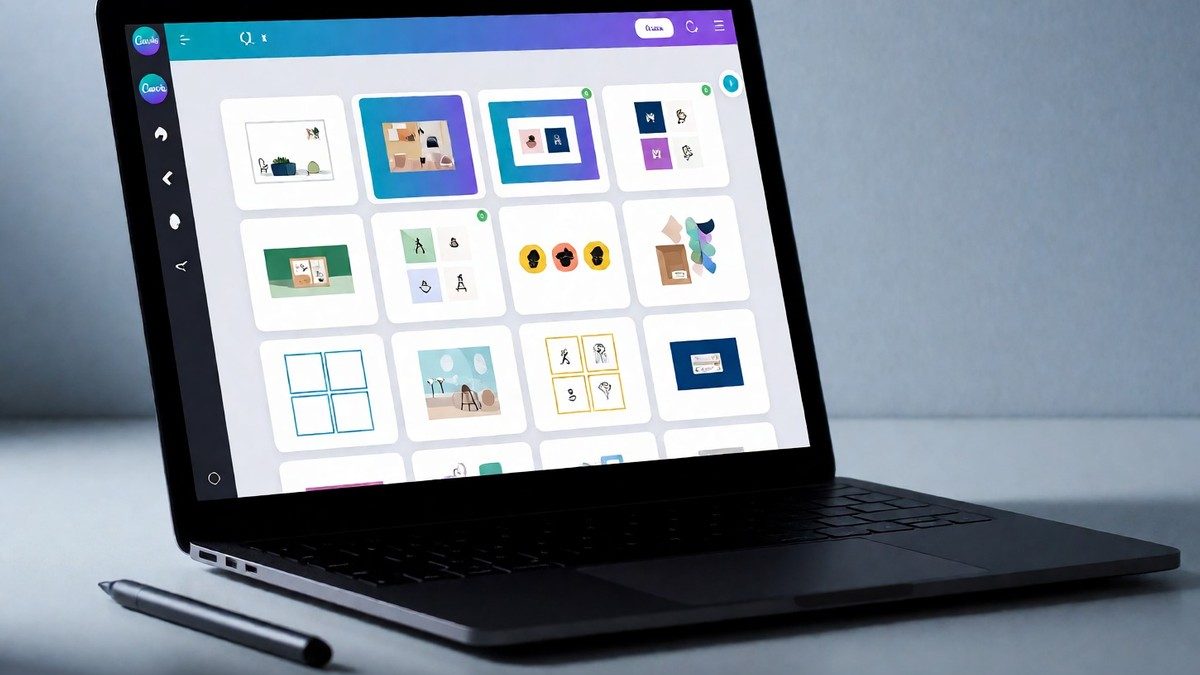
B2B expansion and AI integration
Canva enterprise users comprise 40% of all paid subscribers, while the B2B segment grew 100% to reach $500 million in annual recurring revenue by the end of 2025. The company reached over 265 million monthly active users. This user base grew 20% year-over-year. Canva also has more than 31 million paid users. The platform includes lower-priced tiers for users in Pakistan, Uruguay, Morocco, and Jamaica. The company shifted to an AI-centric model using Magic Studio. Magic Studio includes Magic Design, Dream Lab, Magic Write, and Magic Charts. The company targets large organizations by providing tools like Magic Design, which produces 8 to 12 editable layout options from a single text prompt to help design teams manage branded content more effectively. Dream Lab uses a proprietary diffusion model for image creation. Canva Code reached 3 million users within 90 days of its release. This software connects with platforms like Slack, Google Drive, Dropbox, and Microsoft Teams. FedEx uses the platform across 1,400 teams in 45 countries. Docusign saved $300,000 in design hours through the software. Marketing and advertising account for 12.2% of users. Higher education leads adoption with 28.4% of usage. Brand Kits 2.0 helps enterprises enforce guidelines across global teams. The platform reaches users in over 190 countries. Magic Write creates text for presentations and social posts. Canva Code enables users to generate interactive applications through natural language.
Comparison of AI design tool costs
The company positions its software as an AI platform containing design tools. Canva Pro costs $15 per month for one person. Adobe Firefly Standard costs $9.99 per month. You should compare these costs before choosing a subscription.
| Feature | Canva Pro | Adobe Firefly Standard |
|---|---|---|
| Monthly Price | $15 | $9.99 |
| AI Tools | Magic Design, Dream Lab, Magic Write | Generative Fill, Text-to-Template |
| Storage | 100GB | Not specified |
Canva Pro includes 5 Brand Kits and 10x more AI than Free users. Adobe Firefly Standard includes Adobe Express Premium. Canva delivers 100GB of storage for Pro users. Adobe Firefly focuses on image quality and precise editing. The company delivers layered, editable design output instead of static images. Magic Eraser, Magic Resize, Magic Animate, and Magic Write help users modify elements. Users can also choose between Canva, Adobe Firefly, or Midjourney. Midjourney remains a strong option for highly stylized image exploration. Users can choose Canva for speed or Adobe for pixel perfection. Do you prefer speed or pixel perfection?
Growth slowdown and restructuring
Growth slowed for the first time in a decade, forcing a revenue growth forecast revision from 30% to 20%. This follows 38% growth in the prior financial year. Implementation of AI products cost more and took longer than the company planned. A restructuring plan affects 1,271 employees, which accounts for 22% of the staff. The company merged Product, Growth, and Platform into one organization to simplify teams. This move happens as competition from Adobe and Microsoft increases. Canva is an AI platform with a bunch of design tools. Companies like Salesforce and Zoom use the platform for design and brand management. The 90% drop in cost per AI task failed to prevent the forecast cut. Melanie Perkins and Cliff Obrecht lead the company. The company maintains a valuation of $42 billion. Affected employees receive six months of salary and 12 months of healthcare. The company gives $10,000 grants to those starting businesses. Revenue surpassed $4 billion. The company is planning an initial public offering within a couple of years. Information Technology and Services account for 9.8% of users. Non-profit organizations account for 13% of usage. The restructuring includes moving some staff to centralized hubs in Sydney. Most hybrid staff must work from an office two to three days a week starting in January. The company expects to reduce niche specializations for those who stay.