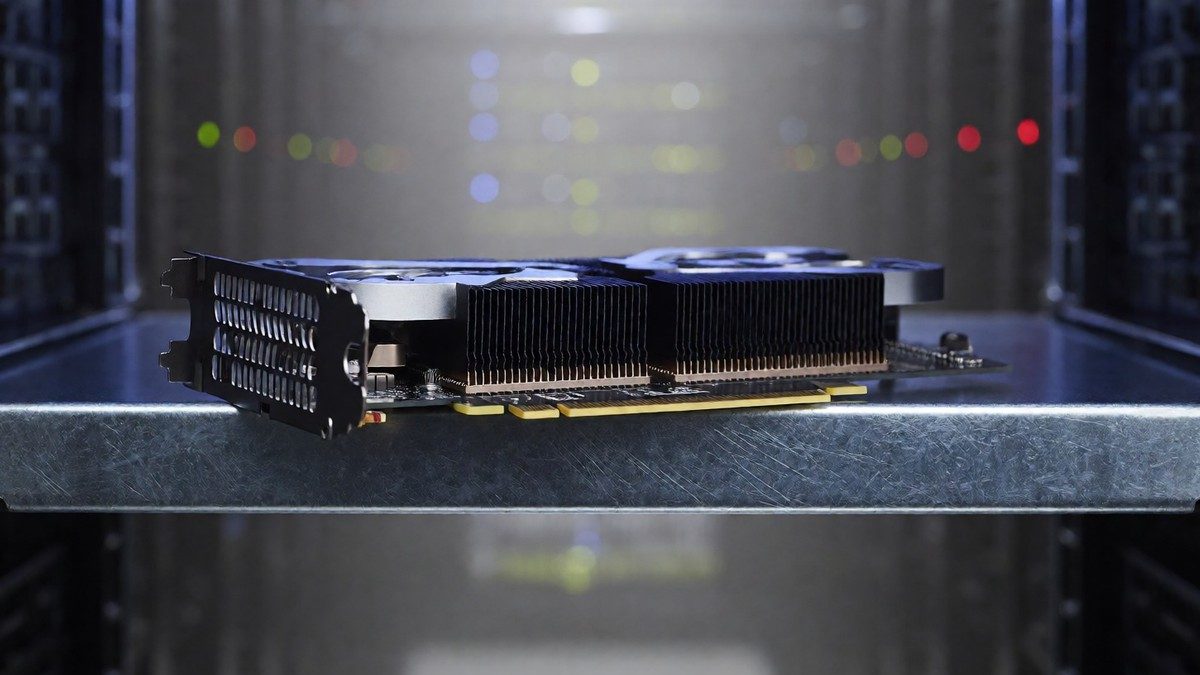
The multibillion-dollar agreement between Microsoft and Mistral AI has fundamentally altered the landscape for European enterprise AI. This partnership grants Microsoft access to Mistral’s expanding European GPU infrastructure, which runs on NVIDIA Vera Rubin systems to boost regional compute capacity. In exchange, Mistral’s latest models, including Medium 3.5, are now integrated directly into Microsoft Foundry and Copilot Studio. This move positions Mistral as a critical component of Microsoft’s sovereign cloud strategy, allowing organizations in healthcare, finance, and manufacturing to deploy these models across public cloud, cloud-connected, and fully disconnected environments via Azure and Azure Local. The deal explicitly targets strict data sovereignty, privacy, and operational resilience requirements that often block US-centric providers from entering regulated European markets.
Deployment Options and Data Control
The expanded collaboration enables enterprises to run Mistral’s open and efficient model architectures alongside Microsoft’s enterprise security capabilities. For teams requiring full data ownership, the agreement supports deployment in fully disconnected environments, ensuring that sensitive information never leaves the organization’s perimeter. This is a stark contrast to typical API-first alternatives where data residency remains a significant concern for legal teams. I find this flexibility essential for industries like finance and healthcare, where GDPR compliance is non-negotiable. Mistral also offers open-weight models under Apache 2.0 licenses, such as Large 3 and Small 4, which allow companies to self-host on their own GPUs with complete control over the inference process. This option eliminates per-token API costs entirely, shifting the financial burden to compute resources alone. A 70B model requires approximately 140GB of VRAM, typically achieved with two A100s, while smaller variants like the 8B model can run on consumer hardware with just 16GB of VRAM.
| Model Type | Pricing (Input/Output per M tokens) | Deployment Option |
|---|---|---|
| Mistral Large | ~$2 / $6 | Azure API or Self-Hosted |
| Codestral | ~$0.20 / $0.60 | Azure API or Self-Hosted |
| Open Weights | Free (Compute only) | On-Premise or Edge |
However, the closed-source commercial models still outperform open weights on creative generation tasks, and enterprise pricing tiers include hidden fees and strict usage caps that can surprise budget planners. The "no training" clause in enterprise agreements does not guarantee data deletion after sessions; it only prevents model weight updates using customer data. Your organization remains responsible for monitoring shadow AI and prompt injection risks, as the vendor contract covers only a fraction of your actual risk surface. Does the convenience of Azure integration outweigh the complexity of managing hybrid deployments? I would skip the pure API route if you need air-gapped security, but the cost of maintaining dedicated infrastructure demands careful calculation.