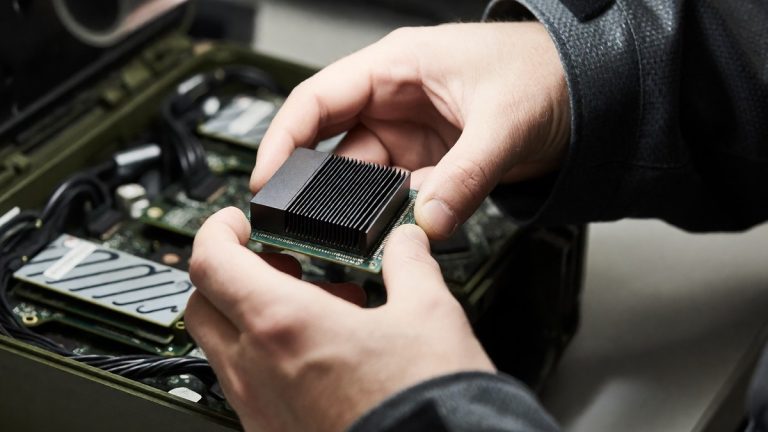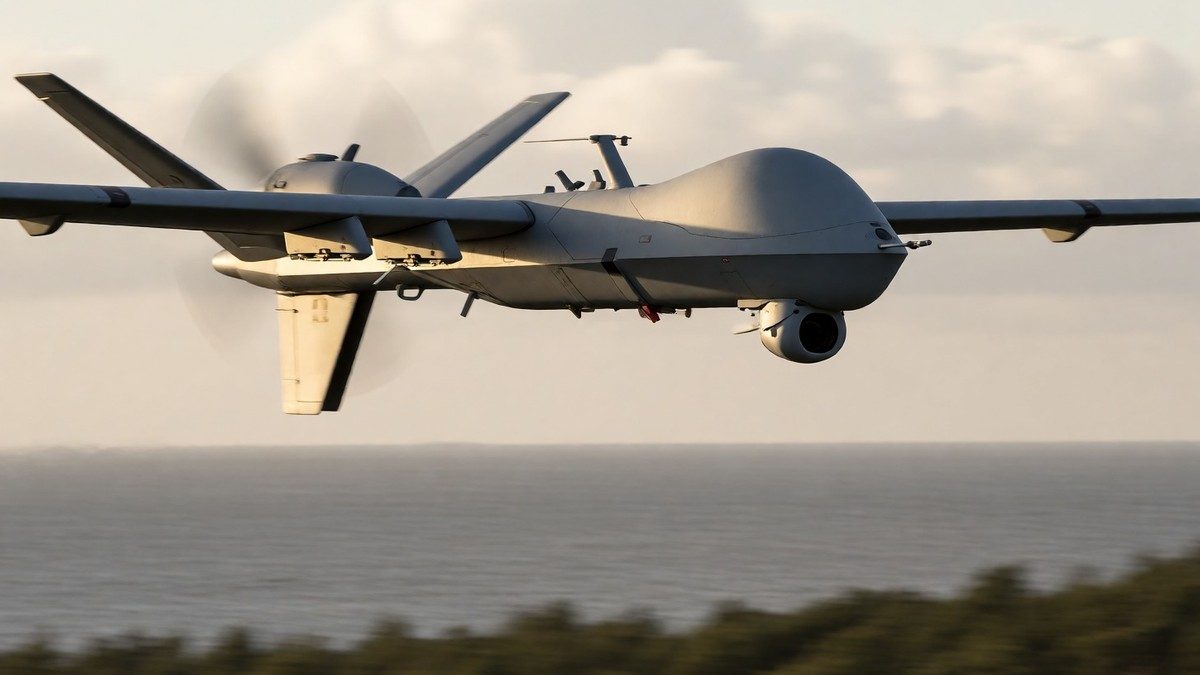
Helsing secured $1.8 billion in Series E funding in July 2026, pushing its valuation to $18 billion. This capital supports the production of the HX-2 loitering munition and the CA-1 Europa autonomous combat aircraft. The company produces 1,000 HX-2 units monthly at a secret facility in southern Germany. Its Altra operating system processes sensor data from drones and radar to identify targets. The company maintains a predominantly European ownership structure despite American investment. Helsing established a new subsidiary in Estonia and committed €70 million to Baltic defense projects over the next three years. Co-CEOs Torsten Reil and Gundbert Scherf lead the firm, which employs approximately 900 people. Reil previously founded the gaming studio NaturalMotion, and Scherf served as a special adviser to Germany’s Ministry of Defense. In October 2025, the company acquired the Australian firm Blue Ocean MTS to integrate shipping management software into its autonomous systems to improve operational efficiency and supply chain visibility for defense applications. Helsing also bought the German manufacturer Grob Aircraft in June 2025 and the Spanish company Keybotic in January 2026. These acquisitions expand its presence in ground-based autonomous systems and reconnaissance aircraft. Helsing’s AI infrastructure for the Future Combat Air System includes contracts for the German Eurofighter’s electronic warfare upgrade. Helsing dominates the European market for sovereign defense AI.
HX-2 drone specifications and performance
The HX-2 loitering munition navigates without GPS by using onboard machine vision to compare camera imagery to pre-loaded terrain maps. It carries 5kg of ordnance and reaches targets at 100km ranges. In a May 2026 U.S. Army exercise in Lithuania, 15 of 17 HX-2 drones hit their targets. However, a November 2025 internal German Ministry of Defense presentation documented only a 25% successful launch rate during trials with Ukraine’s 14th Regiment. A WELT report cited a Ukrainian document reporting a 35.7% hit rate in 14 documented Donbas engagements. The HX-2 costs approximately €17,500 per unit. Project Centaur uses reinforcement learning and foundation models to train an AI pilot for fighter-class aircraft. In June 2025, the Centaur system took control of a Saab Gripen E jet during a combat trial over the Baltic Sea.
| Capability | HX-2 Specification |
|---|---|
| Weight | 12 kilograms |
| Ordnance | 5 kilograms |
| Operational Range | 100 kilometers |
| Unit Cost | €17,500 |
| Top Speed | 250 km/h |
The CA-1 Europa, an unmanned aircraft, weighs 4 tonnes and has a 10-meter wingspan. It targets a first flight in 2027 and aims for operational deployment in 2029. The SG-1 Fathom is an autonomous underwater drone designed for maritime surveillance. It operates submerged for up to 90 days and reaches depths of 1,000 meters.
Palantir and the NATO intelligence fight
NATO integrated the Palantir Maven Smart System into its command operations on March 25, 2025. This platform manages decision support across the European military command structure. The UK Ministry of Defence awarded Palantir a £240.6 million contract for decision support in December 2025. Palantir manages the Brave1 Dataroom in Ukraine, a platform where companies train AI models using real-world battlefield data. While Palantir controls data integration, Helsing builds the hardware and software for autonomous systems like the Centaur AI pilot. You should monitor how the NATO selection of Anduril’s Lattice platform affects Helsing’s market share in air-operations. Will Palantir’s intelligence dominance prevent Helsing from securing larger command-and-control contracts? The Pentagon issued an AI Strategy memorandum on January 9, 2026, mandating an AI-first approach across all components. This directive requires that the latest AI models reach military users within 30 days of public release. To prevent vendor lock-in, the Department of War enforces Modular Open System Architectures. NATO selected Lattice for an allied air-operations data platform to connect existing allied systems. Poland also signed a letter of intent with Palantir in October 2025 to implement its solutions within the Polish Armed Forces. The Pentagon established a monthly Barrier Removal Board to waive non-statutory requirements and maintain speed.