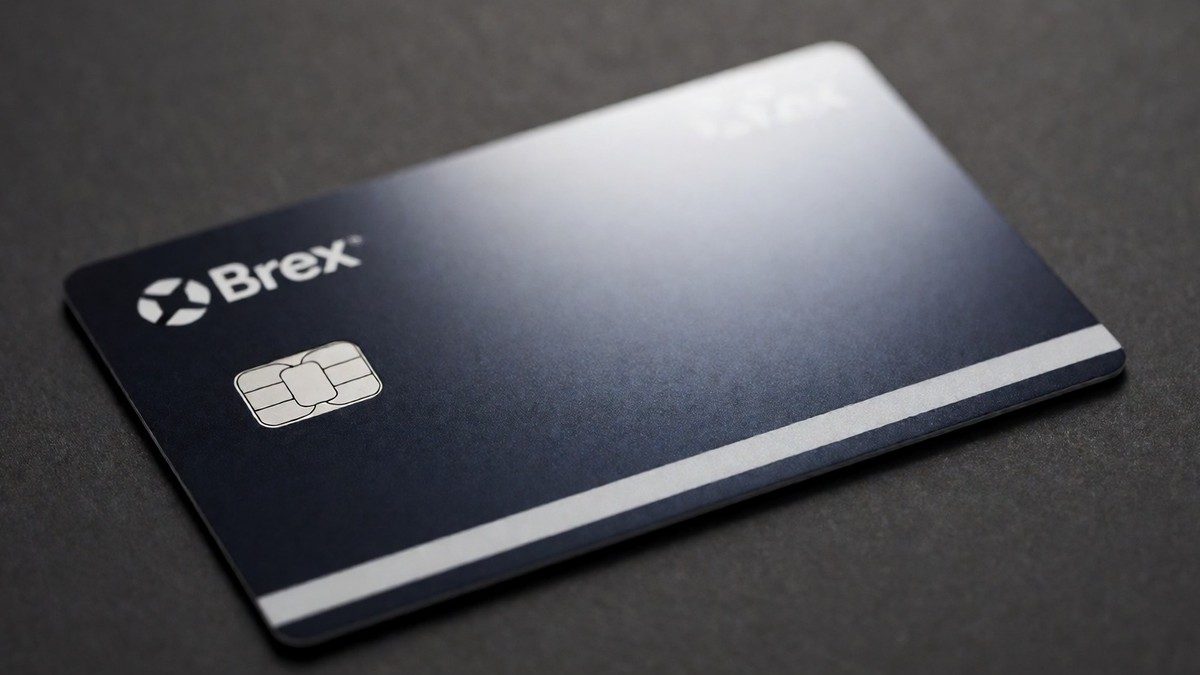
Capital One closed its $5.15 billion acquisition of Brex on April 7, 2026, using a deal composed of 50% cash and 50% stock. This merger combines Brex’s software with Capital One’s balance sheet and regulatory infrastructure. The acquisition price amounts to a 58% drop from Brex’s $12.3 billion peak valuation. Brex generates approximately $950 million in annual revenue and maintains a 34% year-over-year growth rate. The company manages over $40 billion in annual card spend volume. Interchange fees provide 44% of total revenue, while SaaS subscriptions account for 26%. International FX and payments fees contribute 12%, and partner marketplace revenue adds 10%. The company reports 61% of revenue from North America, 21% from Europe, 12% from Asia-Pacific, and 6% from LATAM. This revenue model targets high-growth businesses by monetizing financial workflows through recurring, high-margin infrastructure. Brex previously raised $450 million in a Series D round led by Tiger Global Management with participation from Kleiner Perkins and Ribbit Capital.
Pricing and eligibility requirements
Brex scales pricing based on active employee counts and specific module requirements. Users select from tiers such as Essentials or Premium to manage expense controls and accounting integrations.
| Plan Tier | Monthly Cost per User | Primary Use Case |
|---|---|---|
| Essentials | $8 to $15 | Small teams and startups |
| Premium | $12 to $25 | Mid-market and multi-entity |
| Enterprise | Custom contracts | Large organizations with 250+ employees |
The Essentials tier covers up to two entities and one local card program for 150,000+ business accounts. Premium users access multi-entity support, NetSuite integration, and enhanced reporting. Enterprise clients negotiate custom contracts based on implementation complexity, ranging from $10,000 to over $250,000 annually. For mid-market firms, Brex requires more than $400,000 in monthly revenue. Bootstrapped businesses must show at least $1 million in annual revenue to qualify. Minimum cash requirements for partner-referred startups sit at $50,000, whereas standard applicants must maintain $500,000. Large enterprise accounts often exceed $120,000 in lifetime value. Card programs remain included across all tiers without separate card fees for standard corporate cards. Users also pay between 1.5% and 2.3% in interchange fees per transaction. You should evaluate FX margins of 0.4% to 1.2% if your team conducts heavy international spending.
Automation and global capabilities
The platform introduces "agentic finance" through AI-driven automation and the new MCP server. This beta tool connects AI assistants like Claude and ChatGPT to the Brex account to query expenses and check card statuses using natural language. The software automates receipt matching, policy enforcement, and real-time accounting integrations. The API suite includes specialized endpoints for Team, Travel, Expenses, and Payments. The Travel API allows users to see if a booking violates specific policy rules, while the Expenses API provides a dashboard_url for direct expense viewing. The Payments API manages vendor information and enables book transfers between Brex Cash accounts. The API also supports filtering expenses by compliance_status and viewing cost_center_id for users. Users can filter lists by manager_id, department_id, or location_id.
Brex manages cash through a three-tier system of checking, vault, and treasury functions. The Vault tier sweeps balances across partner banks like Axos Bank and LendingClub Bank to extend FDIC coverage up to $6 million. The treasury tier invests in the Dreyfus Government Cash Management Fund through BNY Mellon, which offers up to 4.90% APY. Brex issues local-currency cards in over 50 countries and supports payments in more than 40 currencies. While these features support global scaling, Trustpilot users report sudden account closures when automated compliance flags trigger. Will Capital One’s risk models eventually increase the frequency of these automated account freezes for venture-backed customers?