Lattice expands to the Indo-Pacific
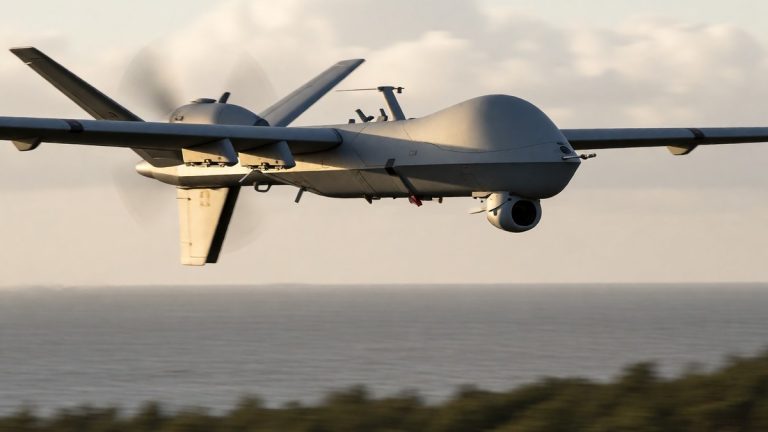
The Army awarded Anduril a contract worth up to $1.8 billion to expand the Next Generation Command and Control (NGC2) ecosystem to I Corps, which commands service members across the Indo-Pacific. This contract includes a $162.8 million base period to implement the common data layer across the Indo-Pacific. Lattice software is the foundation for this system. It connects sensors, weapons, and applications to one network. The Army wants to move the system from division-scale prototyping at Fort Carson to corps-scale fielding for the I Corps. During the July 2026 Project Convergence Capstone 6 in the Mojave Desert, the service used 90 technologies to test software. The hardware performed poorly in the desert heat. Soldiers used ice water to cool systems. The NGC2 system is the replacement for the Army’s first-generation command-and-control system. By expanding the system to I Corps, technologies must connect across thousands of miles despite interrupted or degraded connectivity. The system follows a development path from the 4th Infantry Division, which used Lattice for the Ivy Sting exercises. This allows technologies and weapons to operate on the same network.
TITAN production creates software and hardware rivalry
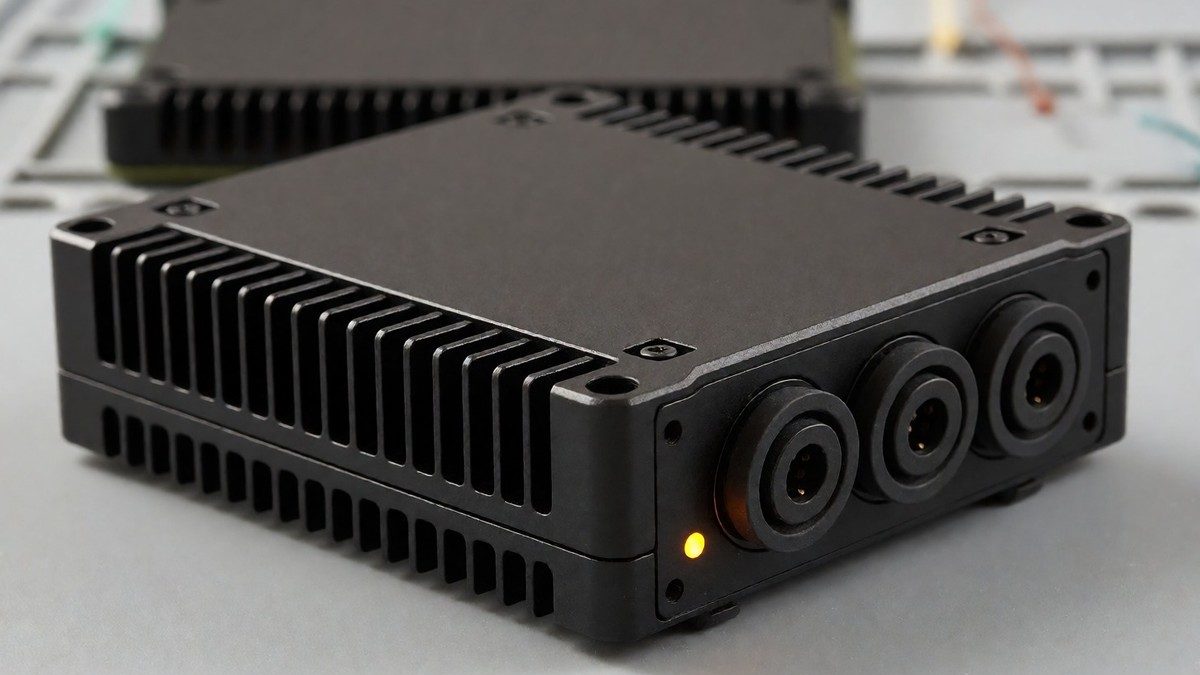
The Army moved the Tactical Intelligence Targeting Access Node (TITAN) program into production with a $192 million award. Palantir received $127 million for production, while Anduril received $65 million to manufacture ruggedized, vehicle-mounted systems. The order includes four advanced versions and four basic versions for delivery over 18 months. Palantir leads the overall production, whereas Anduril integrates power, thermal, control, and operator subsystems. This division of labor creates a rivalry between the software prime and the hardware integrator. You should observe how the Army manages the friction between Palantir’s software and Anduril’s ruggedized hardware during large-scale deployments. The 2024 deal for 10 TITAN prototypes cost Palantir $178.4 million after the company beat RTX for the rights to build the system.
| Program | Contractor | Value | Scope |
|---|---|---|---|
| NGC2 | Anduril | Up to $1.8B | I Corps expansion |
| TITAN | Palantir | $127M | Production (software) |
| TITAN | Anduril | $65M | Production (hardware) |
The TITAN system uses AI to ingest data from sensors and package it into target recommendations. Army officials want the system to be vehicle agnostic so commanders can plug it into a variety of vehicles. Of the 10 units already delivered, half are on medium-sized tactical vehicles, three are on the Joint Light Tactical Vehicle, and two are on the Infantry Squad Vehicle-Utility. The basic variant goes on the Joint Light Tactical Vehicle or the Infantry Squad Vehicle-Utility. The advanced variant mounts on the Family of Medium Tactical Vehicles. The system reduces sensor-to-shooter timelines through automated target nominations.
Autonomous drones in Ukraine shift accountability
Ukraine contracted more than 22,000 unmanned ground vehicles in 2026, nearly doubling the 2025 total. Combat reports from June 2024 near Chasiv Yar described drones using onboard AI to strike targets without human input. These drones cut communication links to operate autonomously in "Terminator mode." This shift moves the decision to the machine itself. The accountability gap expands as software defines how swarms compose decisions. Can the law of armed conflict handle a machine that selects and strikes targets without a human in the loop?
The Army’s decision to split awards between Anduril and Palantir prevents a single company from controlling the entire command-and-control stack. This strategy aims to reduce vendor lock-in and allow for rapid updates as conflict evolves. The rapid rise of autonomous platforms in Ukraine shows that technology moves faster than US doctrine or formal rules. In June, Ukrainian units carried out 16,600 logistics and evacuation missions using ground robotic systems. This figure represents an 18.6% increase from May and a 122% increase from January, showing a rapid expansion in robotic use. 2,069 robots reached frontline units through the DOT-Chain Defence marketplace. Commanders on the ground may soon decide that removing humans from the loop is a practical necessity.