Tokyo mapping and expansion
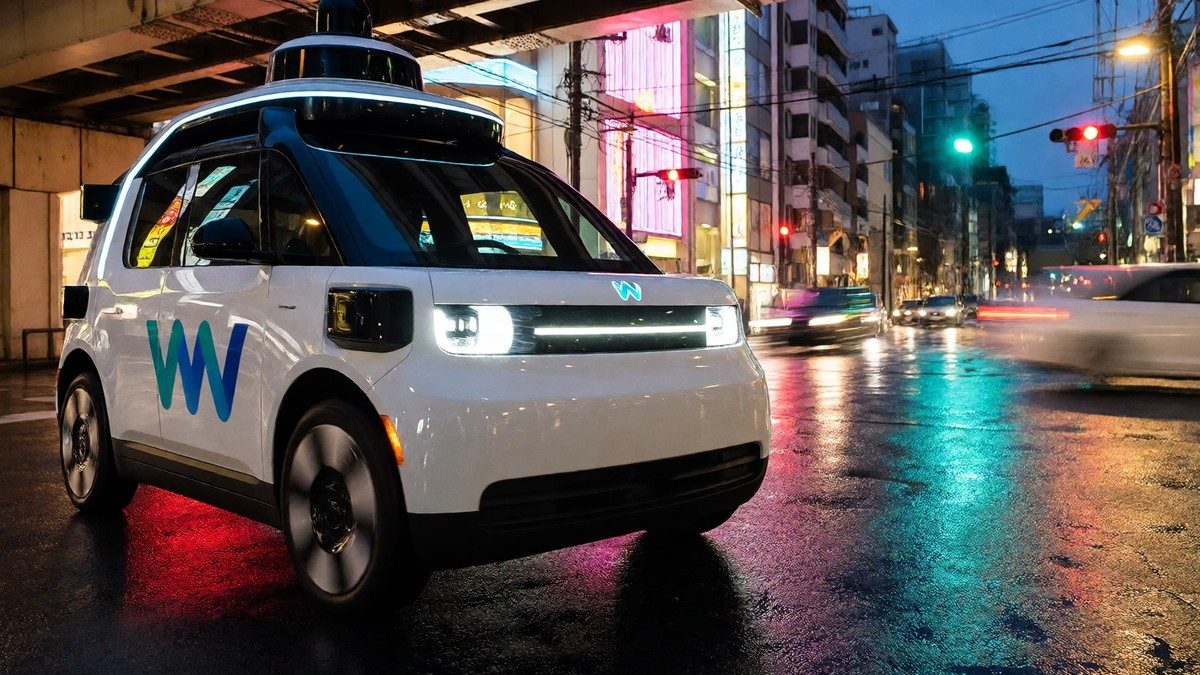
Waymo expands into Tokyo through partnerships with Nihon Kotsu and GO. These partners manage the fleet and drive vehicles manually to map the city for future adaptation to international roads. This mapping phase precedes the full deployment of the Waymo Driver in Japan. I view this move as a strategic expansion following the company’s 2026 arrival in London. Waymo also plans a phased journey into the Madrid region, targeting a 2027 launch to complement existing public transit networks. You already know the scale Waymo maintains in the US, where the company operates in 11 cities. The fleet includes 3,871 robotaxis that provide 500,000 paid rides per week and have logged 200 million fully autonomous miles. Current service covers Phoenix, San Francisco, Los Angeles, Miami, and Orlando, while partners like Uber allow rides in Austin and Atlanta. Expansion continues toward Denver, Detroit, Las Vegas, San Diego, and Washington, DC. Testing also continues in cities like Baltimore, Boston, Chicago, and Seattle. The company also plans to add more cities like San Jose and Phoenix to its growing list of destinations.
Hardware and software evolution
The Waymo Ojai is a sixth-generation robotaxi. Zeekr manufactures the base vehicles in Ningbo, China, before shipping them to Mesa, Arizona, for final assembly with Waymo technology. The vehicle utilizes the Sustainable Experience Architecture (SEA-M) platform. I find the boxy design and higher ceiling more practical than the previous Jaguar i-Pace models. The Ojai uses a 2+3 seating arrangement. The driver seat remains unusable for passengers, meaning only four people take a ride together. The sensor suite includes 6 radar sensors, 4 LiDAR sensors, and over 13 cameras. A high-resolution 17-megapixel imager captures millions of data points to improve detection. The vehicle also uses 10 windshield wipers to clean the sensor pods. This technology evolved from the original Google self-driving project that began in 2009. The project traces its origins to the Stanford University Racing Team and the 2005 and 2007 DARPA Grand Challenges. This effort started with engineers like Dmitri Dolgov and Sebastian Thrun before the project spun out of Google as Alphabet in 2016. Google spent $1.1 billion on the project between 2009 and 2015.
| Spec | Value |
|---|---|
| Manufacturer | Zeekr |
| Model Code | CM1e |
| Power Output | 268 hp (200 kW) |
| Battery | 93 kWh Li-ion |
| Sensor Suite | 6 radar, 4 LiDAR, 13+ cameras |
| Passenger Capacity | 4 |
Safety and regulatory hurdles
Waymo claims a 95% reduction in serious injury or worse crash rates compared to human drivers. However, the National Transportation Safety Board and National Highway Traffic Safety Administration opened investigations in January 2026 because Waymo robotaxis repeatedly passed stopped school buses and hit a child who ran out from behind a parked SUV in a school zone. This failure to manage school zones remains a glaring weakness in the software. In February 2025, a single robotaxi faced three recalls to fix a passenger seat rail, update software, and fit new C-pillar chutes. The company raised $16 billion in February 2026, which values the enterprise at $126 billion. This capital supports a massive operation, yet these regulatory hurdles in the US could stall the Tokyo rollout. I judge the expansion into Japan as a necessary but risky step for a company still managing intense regulatory scrutiny. Waymo also targets more inclusive mobility by working with various community partners to build a sustainable transportation ecosystem. Can the autonomous technology navigate the complex, high-density intersections of Tokyo without similar school-zone failures?