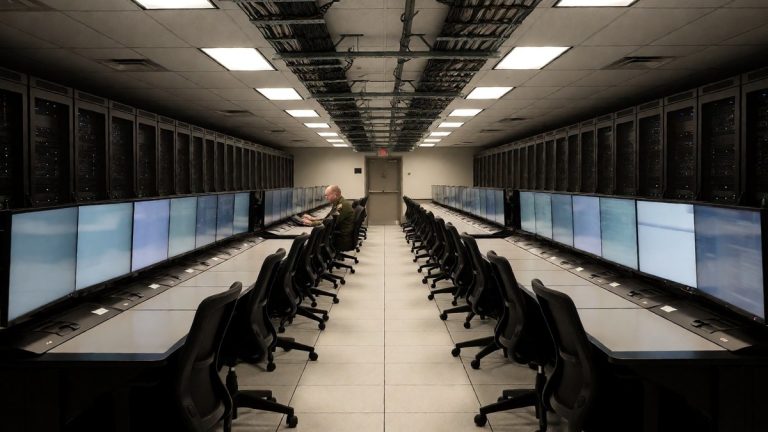

The Memphis supercluster expansion reaches 2 gigawatts of total capacity. This deployment of 555,000 NVIDIA GPUs purchased for approximately $18 billion exceeds any other single-site AI training installation globally. The facility, comprising Colossus 1, Colossus 2, and the new MACROHARDRR building, moves toward a 1 million GPU goal. The construction of Colossus 2 took only 91 days. I find the speed of these builds, which compress four year timelines into weeks, impossible to ignore. The 555,000 GPU deployment, which includes NVIDIA’s latest GB200 and GB300 variants, costs approximately $18 billion and far exceeds the annual capital expenditure of most major technology companies currently operating in the global market today. The Memphis site bypasses traditional utility constraints through on-site generation near Southaven, Mississippi. This $20 billion investment in Southaven for an 800,000 square foot data center is the largest private investment in Mississippi history according to Governor Tate Reeves, creating approximately 100 permanent jobs and thousands of indirect positions throughout DeSoto County. The 2 GW capacity is equivalent to powering 1.5 million homes.
| Facility | Power | GPUs | Operator |
|---|---|---|---|
| xAI Colossus (Memphis) | 2 GW | 555,000+ | xAI |
| Meta AI Research Center | 500 MW | 150,000 | Meta |
| Microsoft Azure AI | 400 MW | 100,000+ | Microsoft |
| Google TPU clusters | 300 MW | TPU v5 equiv |
Training Requirements for FSD v13
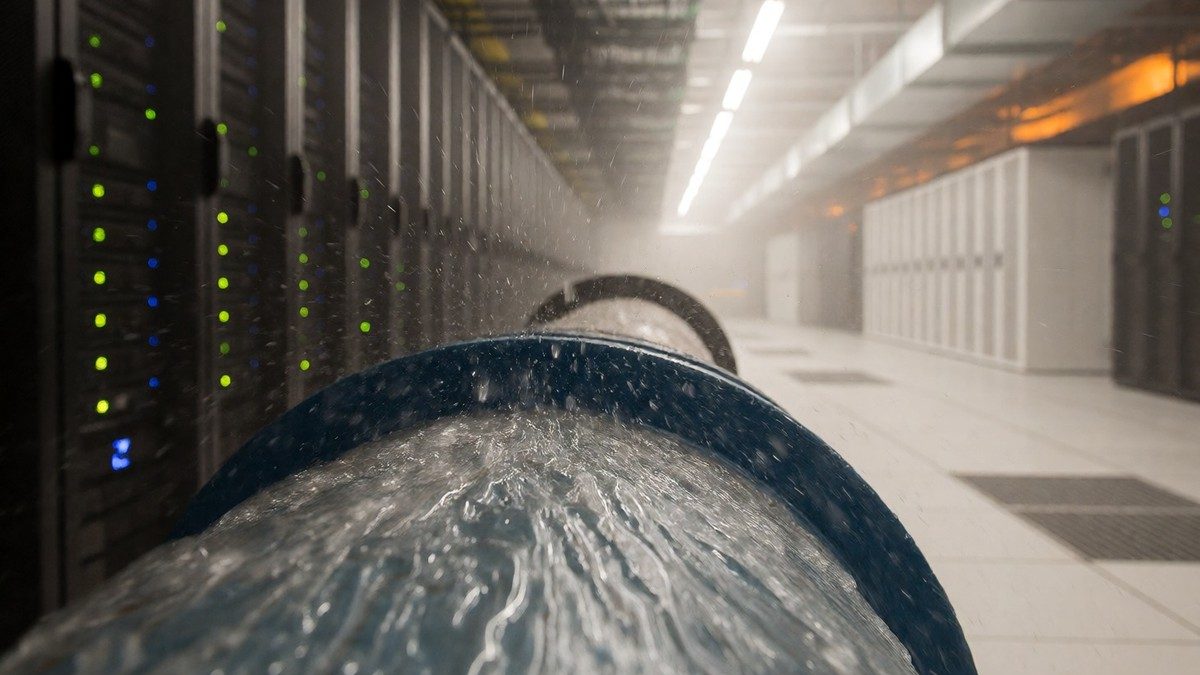
Tesla’s FSD v13 rollout to non-employees requires the processing power of the newer HW4/AI4 hardware. This software version uses 4.2x data scaling and 5x training compute scaling. The massive compute headroom in Memphis supports these scaled-up features. xAI aims to have more AI compute than everyone else. The Memphis cluster facilitates the training of Grok and handles the immense data influx from Tesla vehicles. The data from HW4 vehicles produces 36 Hz high-resolution video clips. The GB200-NVL72 configuration contains 72 GPUs per rack and 130 TB/s of NVLink bandwidth. This density generates 1.8 GW of heat that requires dissipation. The facility uses 50,000 gallons of cooling water per minute to manage the thermal load. The GB200-class processors went online in January 2026, while the GB300-class processors followed. You already know the scale of the AI race, so look at the specific numbers driving this buildout.
Environmental and Regulatory Conflict
The Southaven site faces significant legal and environmental pressure. The Mississippi Department of Environmental Quality ordered the removal of 69 unpermitted trailer-mounted gas turbines starting August 18. This order follows a lawsuit from the NAACP and the Southern Environmental Law Center alleging Clean Air Act violations in predominantly Black communities. The facility requires 5.7 million gallons of water per day for cooling. This demand exceeds the original 1 million gallons per day estimate. I find the decision to prioritize rapid deployment over local air quality and water stability is reckless. The permanent 1.2 GW plant in Southaven uses 41 stationary turbines to replace the temporary units. The buildout also includes the Minihard facility, which was authorized with a building permit valued at $659 million. This facility sits at 5414 Tulane Road. The expansion at the Tulane Road campus aims to host close to one million GPUs by the first half of 2027. The Justice Department moved to dismiss the NAACP case in June 2026, though proceedings continue in federal court. The 69 unpermitted turbines are scheduled for removal by July 2027. Local residents in Whitehaven have reported increasing noise from the facilities. The site also relies on Tesla Megapacks and dozens of mobile gas turbines to bridge the power gap. Who pays for the new generation?