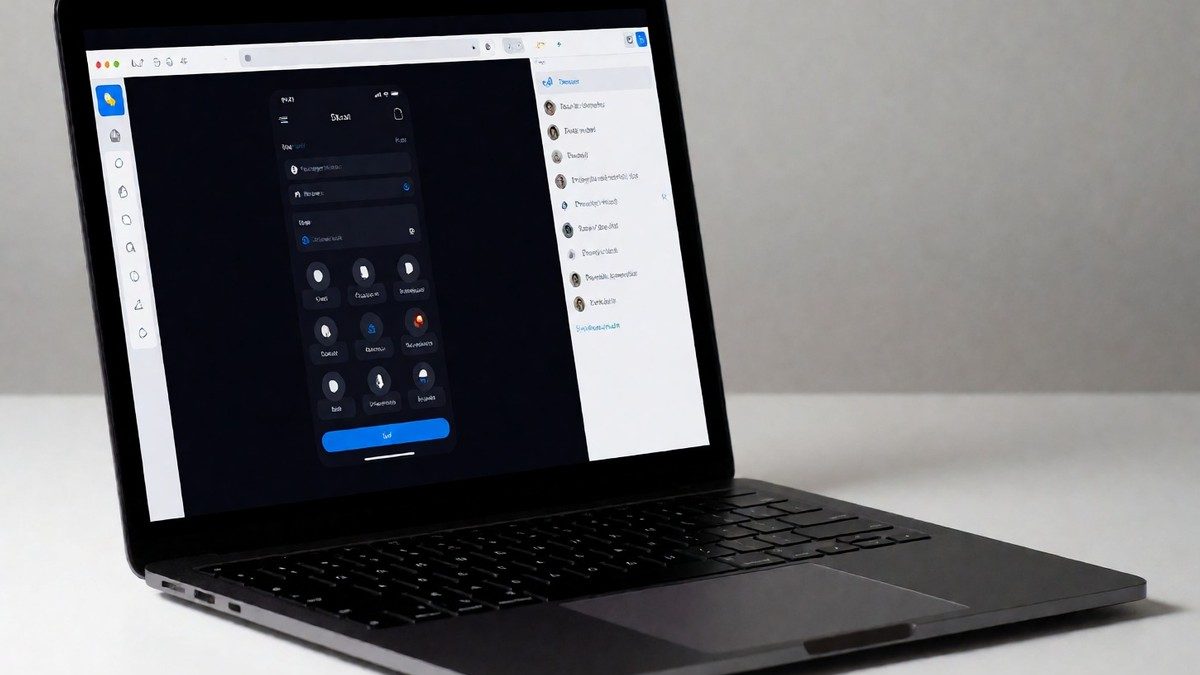
Figma’s AI agent beats Stitch in usability tests
Figma’s AI agent is a tool that performs better than Google’s Stitch for product teams. During a test of an onboarding flow prompt, the agent created clean layouts that adhered to modern app standards and maintained correct screen order. This agent, which entered beta in May 2026, is a tool that commands 13 million users and handles multi-step tasks like dark-mode conversion and bulk edits. I find the ability to generate components from text prompts more useful than the erratic behavior of the Stitch tool. While Stitch provides a fast way to get a first version on screen, it fails to maintain consistency in button styles and aspect ratios across different screens. The agent also uses custom skills written as markdown to steer its behavior. This capability allows teams to maintain their existing design system through the agent. One tester noted that the agent successfully used existing components and variables during the simulation. The agent’s ability to execute multi-prompt parallel execution is a stronger choice for iterative work. This intelligence allows the agent to suggest variable and style matches directly in the interface. The tool also identifies detached components and library mismatches to prevent technical debt. Figma Make is a no-code chatbot builder that turns plain-language prompts into working prototypes. The agent handles complex tasks like converting layouts to dark mode or populating designs with content.
Pricing and the AI credit model
The Figma Make rollout is a change in how teams manage design costs. Instead of just paying for seats, teams use AI credits for tasks like prompt-based prototyping and vectorization. I notice that professional users pay $16 per month for a Full seat, while Dev seats cost $12. This credit system is a new variable in the monthly budget for any design organization. A Professional Full seat is 3,000 credits every month, but Dev and Collab seats are only 500. I recommend that admins monitor workspace usage to avoid unexpected expenses when the monthly allowance runs out. Users who require more power must purchase add-on packs to keep working.
| Plan Type | Monthly Price (Annual) | Monthly AI Credits |
|---|---|---|
| Professional Full | $16 | 3,000 |
| Professional Dev | $12 | 500 |
| Professional Collab | $12 | 500 |
The system is applicable to both individual designers and enterprise accounts. Enterprise customers can control usage through identity providers. Since the company reached 13 million users in 2025, this scalability is a priority.
The competition for code-native workflows
Adobe Firefly and Claude Design are real threats to Figma’s dominance in generative workflows. Firefly provides generative fill capabilities that work inside Photoshop, while Claude Design moves from a prompt to a prototype faster than most canvas tools. However, Figma is the leader for teams that require deep integration with existing design systems. I see designers moving toward design-in-code tools like Modeinspect or Penpot to solve the handoff problem. These tools allow engineers to review changes directly in the repo instead of rebuilding designs from a file. If you already know the basics, you should look at how these tools manage the translation between a visual file and production code. Penpot is an open-source option that lets users self-host their files to avoid vendor lock-in. Sketch is a viable choice for those who need a native macOS application. Lunacy is a free desktop option for Windows and Linux users. The transition from manual pixel pushing to prompt-based layout generation is a massive change in how product teams manage their daily design tasks and engineering handoffs across every single stage of the modern development lifecycle. Designing with AI in Figma includes the ability to use the Weave platform for creative workflows. Does the industry eventually abandon the canvas entirely?