
OnePlus cancelled the global launch of the OnePlus Open 2, which leaves a significant void in the foldable smartphone market for the second half of 2026. This decision removes a highly anticipated release that was scheduled to debut worldwide in the third quarter of 2026. The hardware intended for the OnePlus Open 2 will instead appear in select markets as the Oppo Find N6. This pivot follows reports that inflating prices for RAM and ROM components made the original pricing strategy for the OnePlus Open 2 unfeasible. You already know that the foldable market relies on high-end specifications, so the disappearance of a major player like the OnePlus Open 2 changes the calculation for enthusiasts.
Component price surges drive hardware rebranding
Rising costs for high-speed storage hardware and memory components drive price adjustments for both Oppo and OnePlus. These changes began on March 16, 2026, after the companies evaluated the impact of rising supply costs. NAND Flash contract prices for Chinese brands face an increase of 50% to 60% this quarter. DRAM prices also see a hike of nearly 50%. These surges squeeze budgets for other components and force manufacturers to manage profit margins through precise inventory control.
The decision to rebrand the OnePlus Open 2 as the Oppo Find N6 follows these economic pressures. The original OnePlus Open 2 plan included a flagship-tier configuration with 16GB of RAM and 1TB of storage. Such high-capacity memory is subject to the same price volatility affecting the broader market. By shifting the device to the Oppo brand, the manufacturer can better navigate the different pricing tiers and distribution models used by Oppo and OnePlus.
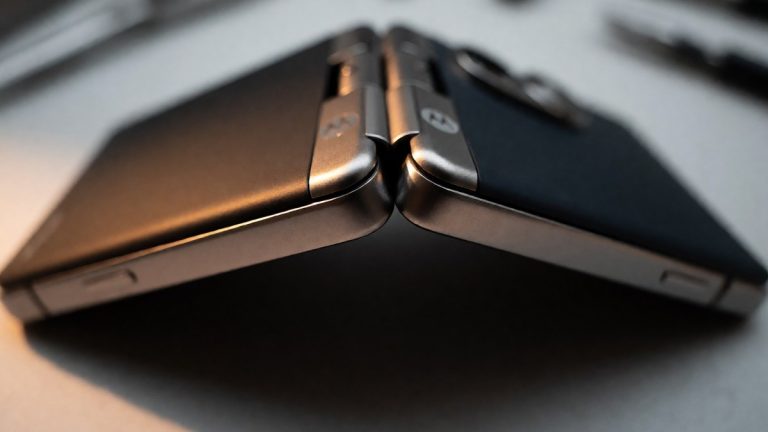
The hardware planned for the Open 2 remains highly advanced despite the name change. A prototype of the device includes an 8.12-inch 2K main folding screen and a 6.6-inch AMOLED cover display. Both of these panels support a 165Hz refresh rate. This differs from the India-specific OnePlus Open 2 5G, which uses an 8-inch display with a 120Hz refresh rate.
Software integration through ColorOS transition
OnePlus will retire the OxygenOS software identity worldwide. The company will replace it with Oppo ColorOS 17 starting with the Android 17 update. This move pools engineering resources between Oppo and OnePlus to improve software quality and speed up updates. The transition is voluntary for eligible devices, and users can request a rollback to OxygenOS if they prefer the old interface.
This software shift is a larger step than the 2021 codebase merger. While the 2021 change created a shared foundation, the current move replaces the entire user experience. Users who receive the update will inherit the ColorOS interface, which includes features like Zen Space, always-on-display customization, and Mind Space AI tools. Some users find the interface includes additional applications like App Market and Game Center.
The eligibility for this software transition depends on specific device models. OnePlus has not published the full list of devices that will receive the Android 17 and ColorOS 17 update. This lack of clarity makes it difficult for current owners to verify their exact upgrade path. Will the transition to Oppo software eventually eliminate the distinct identity of the OnePlus brand?
Specifications of the upcoming foldable hardware
The hardware intended for the OnePlus Open 2 features a variety of high-end specifications. The configuration varies depending on whether the device is the global prototype or the India-specific model.
| Feature | OnePlus Open 2 (Prototype) | OnePlus Open 2 5G (India) |
|---|---|---|
| Chipset | Qualcomm Snapdragon 8 Elite Gen 5 | Qualcomm Snapdragon 8 Gen 2 |
| Main Display | 8.12-inch 2K | 8-inch Super Fluid AMOLED |
| Refresh Rate | 165Hz | 120Hz |
| Cover Display | 6.6-inch AMOLED | 6.4-inch AMOLED |
| RAM | 16GB | 16GB |
| Storage | 1TB (UFS 4) | 512GB (UFS 4) |
| Rear Camera | Triple 50MP (Wide, Tele, Ultra Wide) | Triple 50MP (Wide, Tele, Ultra Wide) |
| Front Camera | 32MP (Cover) / 20MP (Inner) | 32MP (Wide) / 20MP (Wide) |
| Battery | 6,000mAh | 5,700mAh |
| Charging | 80W Wired / 50W Wireless | 100W SUPERVOOC |
The prototype version uses a cobalt molybdenum alloy for the hinge, which provides more strength than 316L surgical-grade stainless steel. This model also includes a 32MP selfie camera on the cover and a 20MP sensor on the inner display. The battery provides 6,000mAh of power with 80W wired charging. In contrast, the India model provides 5,700mAh of battery and 100W fast charging.
Competition in the premium foldable market
Apple entered the foldable market on September 9, 2026, with the iPhone Duo. The $1,999 price of the iPhone Duo undercuts the Samsung Galaxy Z Fold 8 Ultra, which costs $2,099.99. This pricing strategy positions Apple as a more affordable option in the premium book-style tier. Samsung launched the Galaxy Z Fold 8 series in July 2026 to compete with other manufacturers. The series saw 1.44 million reservations in South Korea during a seven-day window.
The foldable market shows extreme polarization between premium brands and Chinese manufacturers. Samsung maintains a market share between 32% and 38%, while Apple expects to capture 25% to 31% in its first quarter. Huawei holds a significant share of 22% to 25%, supported by its dominance in China. The total foldable market is expected to reach $174.58 billion by 2036, growing at a 26.2% CAGR.
Samsung focuses on hardware maturity to defend its position. The Galaxy Z Fold 8 weighs 201g, which is 53g lighter than the 254g iPhone Duo. The Z Fold 8 Ultra also measures only 4.1mm when unfolded. These physical advantages help Samsung compete against the entry of Apple into the segment.
Regional pricing and availability for Oppo devices
In the United States, consumers purchase Oppo devices through authorized importers like Swiftronics USA or third-party marketplaces like eBay. Oppo does not sell devices directly through its official U.S. website or major U.S. carriers. This distribution model results in specific pricing for various models.
| Model | U.S. Price Range | Key Hardware |
|---|---|---|
| Oppo Find X9 Ultra | $1,123.69 | Periscope zoom, titanium frame, 100W charging |
| Oppo Find X9 Pro | $852.00 | Hybrid zoom, aluminum frame, 80W charging |
| Oppo Find X9 5G | $629.00 | No telephoto lens, 67W charging, plastic frame |
| Oppo Find N6 | $1,850 – $2,449 | Snapdragon 8 Gen 3, 7.1-inch inner OLED |
The Oppo Find N6 provides a high-end alternative for users who want the hardware originally intended for the OnePlus Open 2. The Find X9 Pro provides a balanced option for users who prioritize camera performance and battery life without the premium tier price. The Find X9 5G remains the most affordable option in the flagship lineup.
Buying an Oppo phone in the U.S. requires verification of network compatibility. All current U.S.-available models support the necessary LTE and sub-6GHz 5G bands for T-Mobile. Buyers should check the model number to ensure the device carries the correct SKU for U.S. frequency support.
Market shifts and the Indian landscape
OnePlus continues to operate in India, where it describes its status as business as usual. The company still plans new launches, such as the OnePlus N6x, for the Indian market. However, the brand faces structural challenges in the region. More than 4,500 mobile retailers in South and West India stopped selling OnePlus phones two years ago. These retailers cited low profit margins and inadequate after-sales support as the reasons for the decline.
The shipment share for OnePlus in India fell from 30% to 19% over the last year. This decline occurs alongside a broader shift in the company’s focus. China now accounts for 74% of OnePlus shipments, while India’s share continues to shrink. The company’s decision to continue operations in India remains a point of debate among industry analysts.
The price of components remains a problem for all brands in the region. LPDDR memory prices rose nearly 250% year over year, which squeezes the margins for affordable flagship devices. This pressure affects the ability of brands like OnePlus to maintain the competitive pricing that built their reputation.
Strategic reorganization of Chinese brands
Chinese smartphone brands are shifting their strategies from pursuing market share to defending profitability. Many brands, including Xiaomi, vivo, and Honor, plan to advance their H2 flagship launches to mid-to-late September. This move aims to maximize shipments of high-end products during the peak season. Because models priced under RMB 2,000 offer almost no profit margin, some brands are canceling low-end product development.
The memory price surge has caused a downgrading wave among mid-range devices. To save costs, many manufacturers are abandoning OLED panels for LTPS LCDs. These LCD panels can cost less than 10 USD, which helps compress costs. Some brands also use older low-to-mid-range chips, such as the Snapdragon 4 and 6 series, to balance their budgets.
The foldable market is also seeing a shift toward higher specification products and integrated procurement. Companies that combine display technology leadership with carrier distribution partnerships are positioned to gain traction. The key competitive battleground is moving from hardware novelty to ecosystem value. One major trend in hardware is the increase in silicon anode materials for batteries. The penetration rate for these materials reached 32% for some new foldable phones, which allows for larger battery capacities in thin bodies.