Foundations and the Rise of AVP
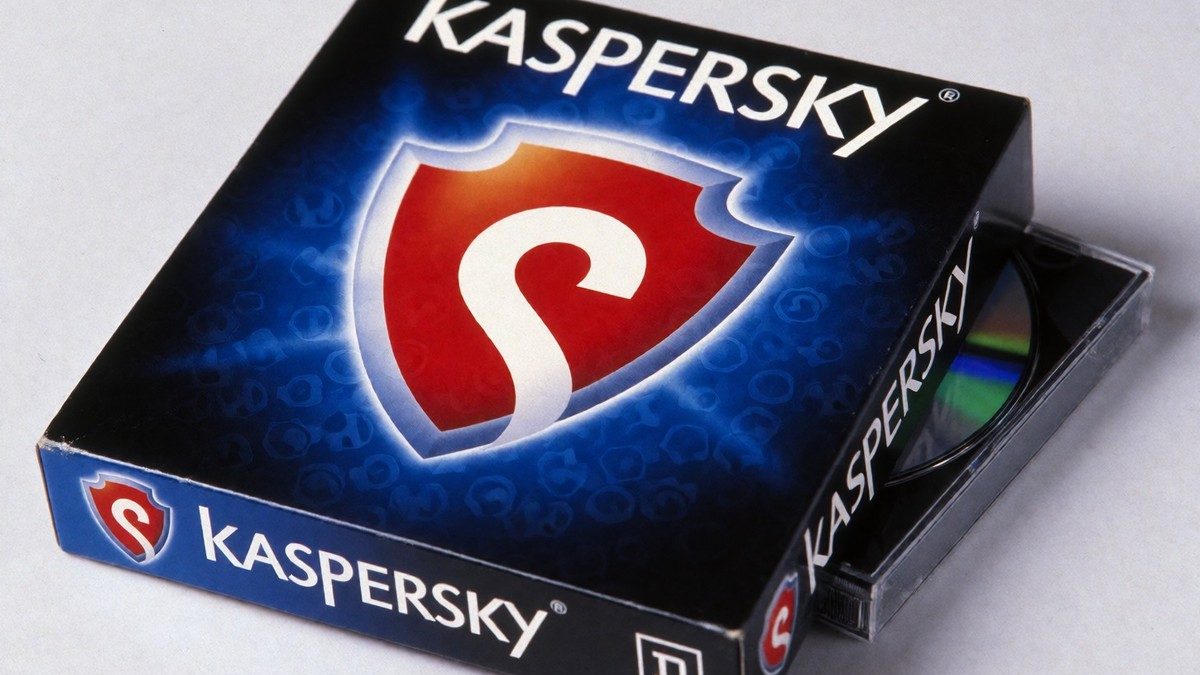
Eugene Kaspersky, Natalya Kaspersky, and Alexey De-Monderik founded Kaspersky Lab in 1997 to develop the AVP antivirus product. This follows Eugene’s 1989 research into the Cascade virus while he worked for the Ministry of Defence. In 1991, he joined the Information Technology Center of KAMI to work on his antivirus product full-time. He and his colleagues released the AntiViral Toolkit Pro in 1992. The software achieved international recognition in 1994 when Hamburg University gave it first place in a competitive analysis. Following the 1998 CIH virus outbreak, the company saw a massive surge in demand because its software was the only tool that successfully removed the virus at that time. Annual revenue grew 280 percent between 1998 and 2000. By 2000, the company had 65 employees and sold products in more than 40 countries. Eugene Kaspersky, who won second place in a math competition at age 14, leads the technical research and established the Global Research and Analysis Team. This team discovered sophisticated espionage platforms like the Stuxnet worm and the Flame virus. The company produces over 560 product releases and upgrades annually. The company’s revenue reached 822 million dollars in 2024. The company employs more than 5,500 professionals.
Geopolitical Tensions and US Restrictions
The US government alleges that Kaspersky maintains ties to the Russian Federal Security Service. These allegations led to a 2017 ban on federal civilian and military computers. In June 2024, the US Department of Commerce announced a prohibition on the sale of Kaspersky products and the provision of updates to US customers. This regulation forces US users to transition to alternative solutions because the prohibition on code-base updates took effect on September 29, 2024. In September 2024, the software on many US computers was replaced with UltraAV, a product developed by the US firm Pango, which caused significant anger among users who expected more notice before the automatic installation occurred. The US government sanctioned 12 senior leaders and prohibited the sale of software to US customers. In 2022, the US Federal Communications Commission added the company to its list of national security risks. The US Department of Commerce claims the software poses an unacceptable risk to national security because the company is subject to the jurisdiction of a foreign adversary. This determination follows a referral from the Department of Justice. In 2023, Kaspersky reported a cyberattack that compromised thousands of iPhones. Do you believe the software is truly safe? The company denies all allegations and states that the US decisions are politically motivated.
European Sovereignty and 2026 Market Status
Kaspersky remains a dominant provider for European organizations. The company moved core infrastructure and customer data to Switzerland in 2018 to mitigate concerns about government intrusion. In 2026, the software is legal and supported in France and the European Union. The company reported 2025 revenues of 836 million dollars, and B2B sales grew 16 percent that year. Consumer sales in Russia and the CIS increased 16 percent in 2025. The consumer base reached 70 million unique users in 2025. The B2B product line, Kaspersky Next, saw a 158 percent growth in 2024. In 2025, the company opened a new office in Vietnam to expand its reach.
| Product Feature | 2025/2026 Data |
|---|---|
| Total 2025 Revenue | 836 million USD |
| B2B Sales Growth | 16% |
| Consumer User Base | 70 million |
| US Market Status | Banned |
The company maintains a presence in over 200 countries. It released the Kaspersky IoT Secure Gateway 100 in 2021. Managed Detection and Response sales grew 90 percent in 2025. The company provides a VPN with Hotspot Shield infrastructure. The consumer lineup was updated in 2023 to include the Kaspersky Standard, Plus, and Premium plans.