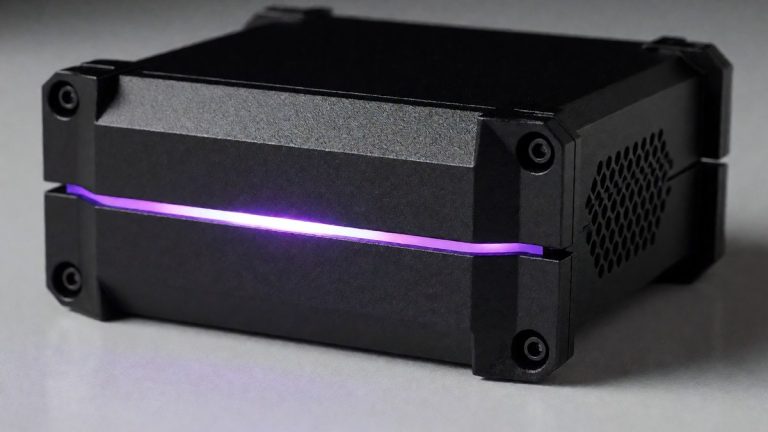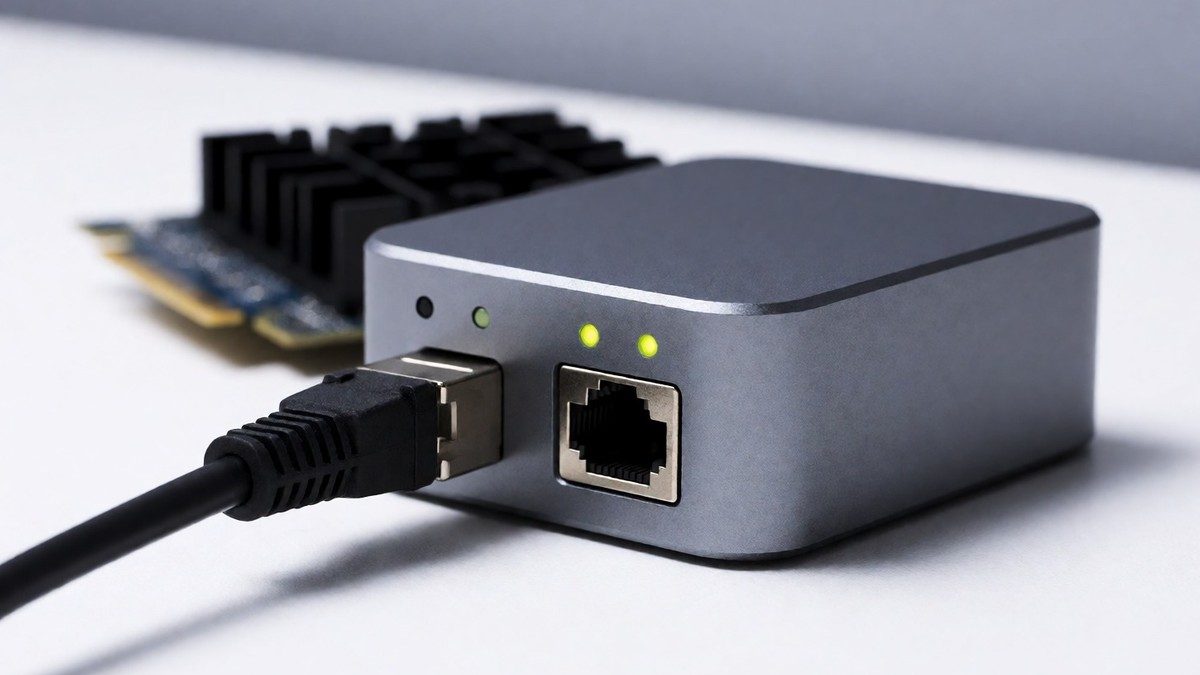
Cato Networks released its SSE 360 platform this month, which lets enterprises deploy individual security and networking capabilities through a modular model. Organizations can select from four standalone modules: AI Security, SD-WAN, SSE, and Universal ZTNA. Each module runs on the Cato Neural Edge, a GPU-powered global private backbone with 75+ points of presence. The Cato Single Pass Cloud Engine (SPACE) manages WAN, Internet, and Cloud traffic across all edges, users, and locations. This single-vendor approach integrates networking and security into one system to reduce operational complexity. AI Security specifically governs AI interactions from shadow AI to AI agents. Cato SD-WAN provides zero-touch deployment, while Universal ZTNA enforces a single policy with continuous risk-based verification. This modularity allows companies to scale on demand via a user-based and site-bandwidth model. Because the platform uses a shared management console, policy framework, and data lake, modules do not create new silos. In 2024, the company hit 46% ARR growth and crossed $250 million. Cato also provides "Great" EDR integration and "Great" Identity Provider (IdP) integration. The Cato Socket, whether a physical appliance or a virtual one for the cloud, routes traffic to the nearest PoP.
Routing performance and the Zscaler detour
The current shift toward Cato comes as enterprises defect from Zscaler due to the limitations of proxy-based architectures. Zscaler routes traffic to ZEN or Service Edge nodes, and Gartner reports a 10 to 20 percent throughput drop and 2x to 3x added latency as modules stack on top of each other in that data plane. Cato uses a route-based architecture that handles traffic as a flow through its private backbone. This design keeps latency under 25ms from every user and location. You might wonder if the performance cost of a data center detour justifies the security of a proxy. Cato provides the best path for organizations that require low latency and integrated SD-WAN, especially as the platform allows administrators to manage all traffic and policies from a single pane of glass without additional hardware. While Cato provides "Good" API for automation and "Good" log export to SIEM, Zscaler rates "Great" in those categories. However, Zscaler receives a "Poor" rating for HITRUST compliance, whereas Cato receives an "NA" rating for that specific metric. Cato also provides "Great" RBAC and "Great" SSO, while Zscaler also provides "Great" for those features. Cato’s MFA is "Good," matching Zscaler’s "Good" rating.
| Dimension | Cato Networks | Zscaler |
|---|---|---|
| Architecture | Single-vendor SASE on private backbone | Cloud SSE; traffic forwards to proxy nodes |
| Inspection Point | Nearest Cato PoP | Proxy node in the data path |
| Latency | <25ms from user/location | 2x to 3x added latency with stacked modules |
| AI Governance | Cloud gateway application | Cloud gateway application |
| China Access | Depends on PoP reach | Paid uplift (China Premium/Plus) |
Automated mitigation and unified analytics
Cato reduced the time to protect against newly disclosed vulnerabilities to 45 minutes. The system uses agentic threat research to automate the entire protection lifecycle. It monitors the publication of vulnerabilities, extracts indicators of compromise, and develops threat signatures in a lab environment. The platform then deploys these signatures to the global Cato Cloud without requiring any customer action. XOps provides a unified analytics layer for security and operations, replacing XDR. This layer detects account-level conditions such as directory sync failures, license exhaustion, and expired certificates. The Stories Workbench allows administrators to drill-down on specific incidents through a step-by-step troubleshooting guide. This tool identifies issues like BGP Prefix Exhaustion, LDAP Active Directory Sync failures, and SCIM provisioning failures. XOps also monitors for LAN IP conflicts and IPsec Phase 2 negotiation failures. The playbook workflow provides a troubleshooting guide tailored to the specific issue. Cato’s security stack contains SWG, ZTNA, CASB/DLP, RBI, FWaaS, and Advanced Threat Prevention. The platform provides granular management through a single pane of glass, which allows administrators to oversee all security policies, events, and analytics for users, devices, and applications across the entire global network.