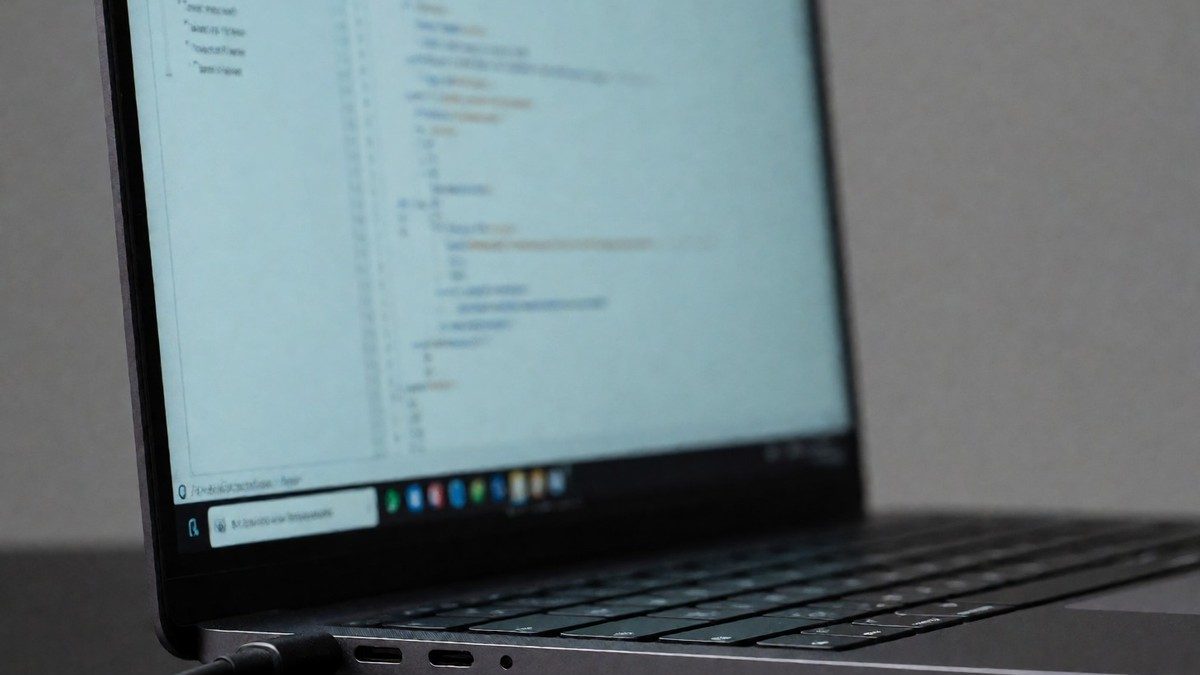
Cursor’s Composer 2 model uses Kimi 2.5, an open weights LLM from Moonshot AI. This model forms the foundation for multi-step programming tasks from natural-language instructions. While the developers claim only one quarter of the compute spent on the final model came from the base, they initially failed to mention the Kimi base in their official blog. The agent searches across a codebase, edits files, and runs terminal commands. It handles web, mobile, command-line, and cloud environments. This model capacity allows for running multiple agents in parallel using git worktrees or remote machines. The software also grants access to large language models such as Grok, Claude, and Google DeepMind. The company started in 2022 when students Michael Truell, Sualeh Asif, Arvid Lunnemark, and Aman Sanger founded it at MIT. They initially secured an $8 million seed round in October 2023 led by the OpenAI Startup Fund with participation from Nat Friedman and Arash Ferdowsi. In April 2025, a $60 million Series A valued the company at $400 million, and by June 2025, a $900 million Series C lifted its post-money valuation to $9.9 billion. The company maintains its headquarters in San Francisco, where the development team continues to iterate on the product. Does the reliance on Kimi 2.5 impact the tool’s specialized coding accuracy for proprietary languages?
SpaceX Ownership and Scale
SpaceX completed the acquisition of Cursor’s parent company, Anysphere, on August 14, 2026. This all-stock deal follows an April 2026 announcement where SpaceX secured the right to acquire the startup for $60 billion or pay $10 billion for joint work. The company operates as a wholly owned subsidiary within the SpaceXAI team. Cursor reached $3 billion in annual recurring revenue by May 2026. This scale follows a period of rapid growth where the firm topped $500 million ARR by June 2025 and crossed $100 million ARR in January 2025. In November 2025, Cursor closed a $2.3 billion Series D funding round co-led by Accel and Coatue Management. This follows a November 2024 report that Benchmark and Index Ventures bid the valuation to $2.5 billion. The company continues to expand its capabilities through strategic purchases, such as the December 2025 acquisition of the code-review startup Graphite and the November 2024 purchase of the AI code-completion startup Supermaven.
| Attribute | Detail |
|---|---|
| Model Base | Kimi 2.5 |
| Parent Company | SpaceXAI |
| Annual Revenue | $3 billion |
| Pro Plan | $20 (usage-metered) |
| Headquarter | 33 New Montgomery Street |
| Key Acquisition | Graphite (Dec 2025) |
| Founding Year | 2022 |
Workflow and Error Management
Cursor functions as a highly capable, though occasionally error-prone, AI coding agent within the SpaceX ecosystem. The software includes Bugbot, a code-review tool integrated with GitHub pull requests that launched in July 2025 to assist with developer workflows. However, the platform remains susceptible to automated errors. In April 2025, an AI help-desk program named Sam invented a non-existent login policy, which triggered user cancellations before staff intervened and issued refunds. Users should manage their subscriptions carefully since the $20 Pro plan switched from 500 requests to a usage-metered cap in July 2025. The current engineering team includes talent acquired from the startup Koala in July 2025. The development team comprises Michael Truell, Sualeh Asif, and Aman Sanger. The company also hired Travis McPeak to lead its security team. The developers maintain their headquarters at 33 New Montgomery Street in San Francisco. You can utilize the environment to manage file edits and terminal operations directly using tools like Supermaven.