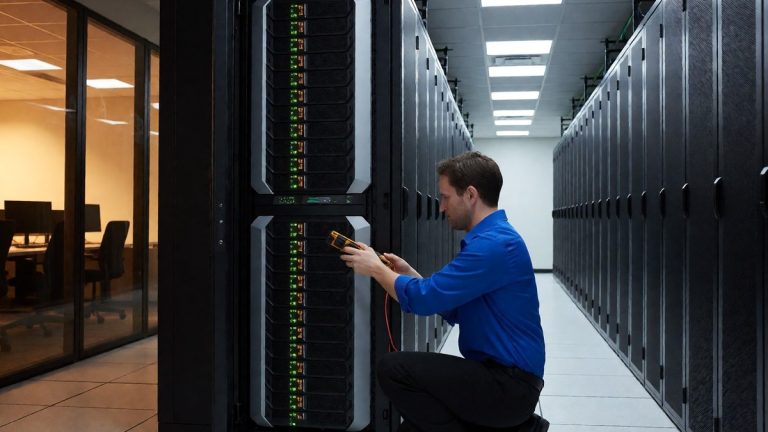

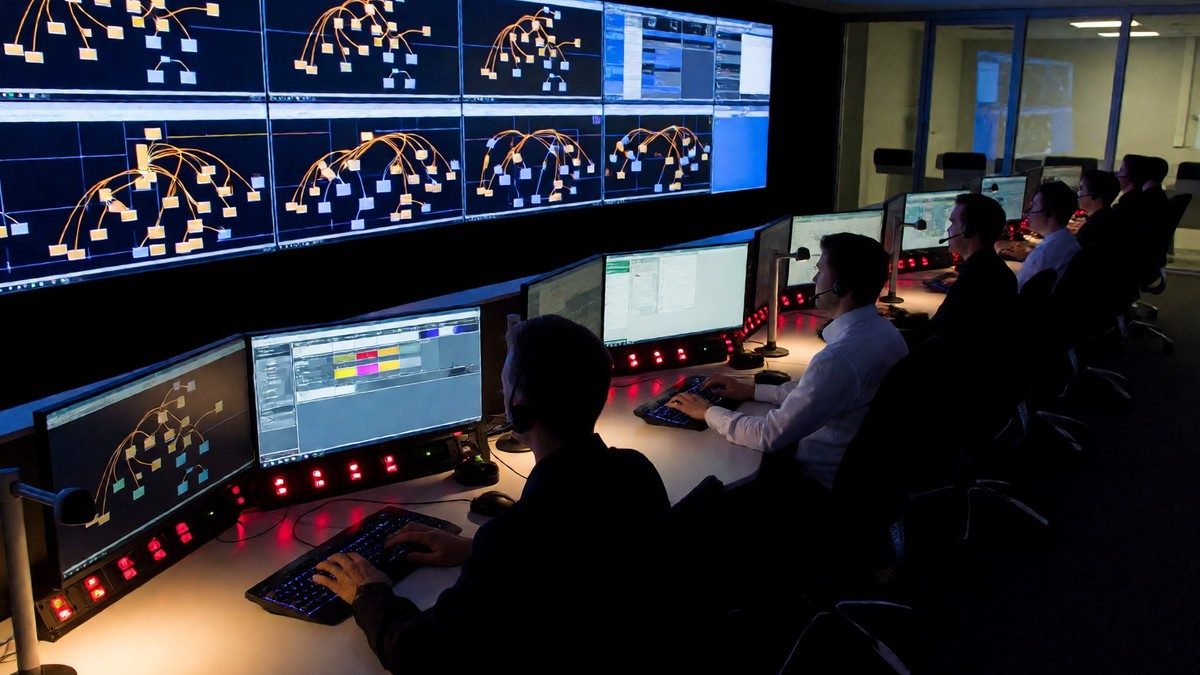
The faulty configuration update arrived at 04:09 UTC on July 19, 2024. This file, named Channel File 291, managed how the Falcon sensor evaluated named pipe execution on Windows systems. The logic error in this file caused the CSagent.sys driver to perform an out-of-bounds memory read. This error resulted in an invalid page fault that triggered a Blue Screen of Death. Because the Falcon sensor integrates with the Windows kernel, the faulty update brought down the entire operating system. Windows 10 and Windows 11 machines entered a boot loop or recovery mode. Approximately 8.5 million Windows devices experienced these crashes. This amount represented less than one percent of the total Windows install base. The problem affected systems running Falcon sensor version 7.11 and above. Because the update intended to target malicious named pipes, the logic error caused unintended behavior when the sensor processed the file. The driver attempted to use uninitialized data as a pointer, which created a wild pointer. This specific memory error forced the system to crash immediately upon rebooting the affected devices.
The manual struggle of system recovery
Manual intervention defined the recovery period for most businesses. Administrators had to access each device to delete specific configuration files. They had to find files starting with C-00000291- inside the %winddir%\System32\drivers\CrowdStrike\ folder. Technicians had to reboot computers individually to apply the fix. This requirement meant that staff had to touch every single machine in their environment. Many organizations found this process slow because they had to work on each computer one by one. Computers using BitLocker encryption required a unique 48-digit numeric recovery key for every single device. This requirement created delays for remote workers. Many organizations used local servers for BitLocker recovery key storage, but those servers also crashed during the outage. You already know the basic mechanics of a sensor update, so I will focus on the recovery failures and the response strategies that actually work.
Financial damage across global industries
The financial fallout reached high levels. One estimate puts the loss for Fortune 500 companies at $5.4 billion. The healthcare sector lost $1.94 billion. The banking sector lost $1.15 billion. Airlines lost $860 million. Delta Air Lines reported a $500 million loss and refused onsite help from CrowdStrike. In India, IndiGo alone cancelled 192 flights. Hong Kong International Airport faced check-in delays. In the United States, 911 centers in several states reported outages. The UK economy faced losses between £1.7 billion and £2.3 billion. In Australia, payment terminals faced disruptions.
| Sector | Estimated Loss |
|---|---|
| Fortune 500 Companies | $5.4 billion |
| Healthcare | $1.94 billion |
| Banking | $1.15 billion |
| Airlines | $860 million |
| Delta Air Lines | $500 million |
Comparing incident response models
I recommend the incident response retainer for any organization with high risk or sensitive data. A retainer provides a guaranteed response time and lower hourly rates. Without a retainer, companies pay emergency rates that run two to three times higher than retained rates. I find that the speed advantage of a retainer helps prevent attackers from moving laterally.
| Feature | Incident Response Retainer | On-Demand Response |
|---|---|---|
| Initial Response SLA | 2 to 4 hours | 24 to 72 hours |
| Annual Cost | $10,000 to $100,000 | $0 upfront |
| Hourly Rate | $175 to $400 | $800 to $1,500 |
Companies also use Managed Detection and Response (MDR) to avoid the need for a 24/7 internal SOC. MDR providers like Arctic Wolf, Huntress, Red Canary, Sophos, and Expel bundle monitoring and response into one subscription. Arctic Wolf offers MDR Basic for $44,000 per year for up to 100 users on AWS Marketplace.
Evaluating alternatives to Falcon
Organizations evaluate alternatives based on whether they need an endpoint-first platform or a platform-first approach. Some teams prefer tools that integrate with existing SIEM or SOAR investments.
| Competitor | Primary Strength | Best For |
|---|---|---|
| Palo Alto Networks Cortex | Unified agentic SOC | Enterprise teams consolidating SIEM and XDR |
| SentinelOne Singularity | Autonomous endpoint protection | Comparing cost at scale |
| Heimdal | Unified platform for DNS and patching | Replacing multiple point tools |
| Carbon Black | Offline/on-premises capability | SOC teams with specific residency needs |
| Microsoft Defender | Native ecosystem integration | Microsoft-heavy environments |
I would skip the bonus buy of a full platform if your environment is primarily non-Microsoft. Microsoft Defender loses value in environments that do not use the Microsoft stack. Heimdal works well for teams that want to combine prevention with patching and identity management in one agent.
Strengthening the security supply chain
The outage showed that centralized security solutions create single points of failure. Organizations must map their supply chain to identify these risks. I suggest using a risk-based model to prioritize which vendors need more scrutiny.
| Mitigation Strategy | Action |
|---|---|
| Quality Control | Use staged rollouts and rollback mechanisms |
| Redundancy | Supplement critical equipment with redundant hardware |
| Change Management | Automate rollbacks to minimize update spread |
| Supply Chain | Document the Shared Security Responsibility Model |
Companies should implement staged rollouts instead of immediate global deployment of definition files. This approach allows teams to detect faulty updates before they reach every endpoint. Organizations should also test disaster recovery plans that include third-party software failures.
Managing the risk of centralized protection
Large organizations should consider how they manage vendor failures. Contracts can be a way to correct harm created by suppliers. Legal teams should review Service Level Agreements and breach of contract language.
CrowdStrike offers different pricing tiers for its Falcon platform:
| Package | Price per device annually | Target Audience |
|---|---|---|
| Falcon Go | $59.99 | Small businesses (up to 100 devices) |
| Falcon Pro | $99.99 | Mid-sized organizations |
| Falcon Enterprise | $184.99 | Large enterprises with complex needs |
| Falcon Elite | Custom | Large-scale businesses |
I find that the Falcon Enterprise level provides the forensics and threat hunting capabilities that larger firms require. The Falcon Go package lacks advanced features and limits users to 100 devices.
Will the industry move toward kernel-less security to prevent such failures?
Lessons for future preparedness
Preparation involves more than just buying tools. Organizations must exercise their disaster response plans annually. These drills should include scenarios where a third-party security provider fails. Effective communication plans must include pre-approved frameworks for engaging vendors.
I recommend that businesses maintain manual fallback options. Retailers can keep basic cash registers that use current pricing. Airlines can prepare for manual check-in processes if booking systems fail. Organizations should also monitor security metrics, such as the number of offline agents, to detect issues before they spread. If a system deviates from the baseline, detection measures should trigger a proactive notification.