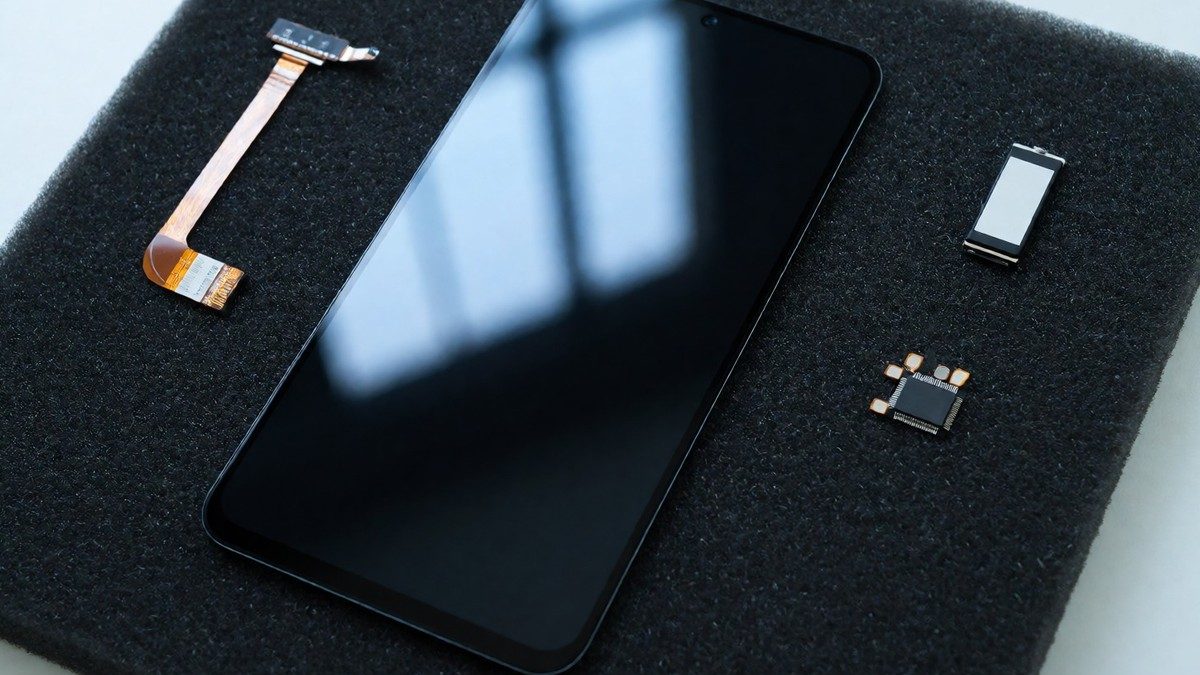
The iPhone SE 4 replaces the 4.7-inch LCD of the third generation with a 6.1-inch LTPS OLED display. This screen provides 2556 x 1179 pixels and 460 PPI, which delivers three times more total pixels than the 1,000,500 pixels on the SE 3. The device runs an A16 Bionic processor and 6GB of LPDDR5 RAM. Because the screen reaches 1200 nits of peak brightness and 800 nits of high brightness, the colors look much more vivid than the old LCD. The 6.1-inch size is 30% larger diagonally than the previous model.
| Specification | iPhone SE 4 | iPhone SE 3 |
|---|---|---|
| Display Type | LTPS OLED | Retina HD LCD |
| Screen Size | 6.1 inches | 4.7 inches |
| Resolution | 2556 x 1179 | 1334 x 750 |
| PPI | 460 | 326 |
| Refresh Rate | 60Hz | 60Hz |
The hardware shift provides a significant jump in quality for the budget line. The screen uses a 19.5:9 ratio and covers 91.4 cm2 of surface area. This LTPS OLED technology provides perfect blacks and HDR support. The device uses 6GB of LPDDR5 RAM to support the A16 Bionic chip. It also includes a 3279 mAh Li-ion battery and 18W fast charging. This resolution is 41% higher in pixel density than the 326 PPI seen on older models.
Competition in the OLED market
The OLED industry faces a changing landscape as smartphone shipments fell 22% year-over-year in the third quarter of 2026 to 255.3 million units. While volume drops, the market for OLED technology continues to expand. The global OLED market reached $78.5 billion in 2023. In 2023, global OLED production volume reached 1.2 billion units, and 78% of all smartphones used OLED displays. As the smartphone market shifts, BOE continues to expand its presence by increasing its OLED production capacity by 25% in 2023 and reaching 180 million units in total shipments.
This supply growth helps manufacturers compete in the budget segment. However, the iPhone SE 4 has a 60Hz refresh rate. This remains a drawback when compared to the Samsung Galaxy A35, which has a 120Hz refresh rate. Samsung Display holds a 38% global market share in OLED displays, while Apple holds 25%. The high demand for these panels from Apple drove a 10% price increase in 2023. APAC dominated the OLED market with 72% of revenue in 2023. Samsung Display and LG Display combined for 75% of global OLED revenue in 2023.
Hardware details and value
The iPhone SE 4 costs between $429 and $579 depending on the storage options of 128GB or 512GB. You likely already know that budget phones usually sacrifice screen quality for a lower price. The SE 4 adopts the display technology found in the iPhone 15. The device uses an A16 Bionic chip and 6GB of LPDDR5 RAM. The camera utilizes a Sony IMX503 image sensor with an f/1.8 aperture to support 1080p cinematic mode through AI-assisted techniques.
The hardware lacks some premium touches. The device uses front and rear glass instead of the Ceramic Shield found on other iPhones. This lack of extra protection is a disappointing trade-off for many users. The single 48 MP rear camera supports smart HDR and portrait mode, but it lacks a dedicated night mode. Will the absence of night mode on the Sony IMX503 sensor stop buyers from choosing this device? The iPhone SE 4 is the best value for users wanting a modern OLED display at a lower price.